
How Civic Watch Is Building Collective Solutions to Hate Speech Through Dialogue
Hate speech, toxic narratives, and identity based tensions have continued to threaten social cohesion in Cameroon. Civic Watch has once again positioned itself as a catalyst for dialogue and democratic resilience.
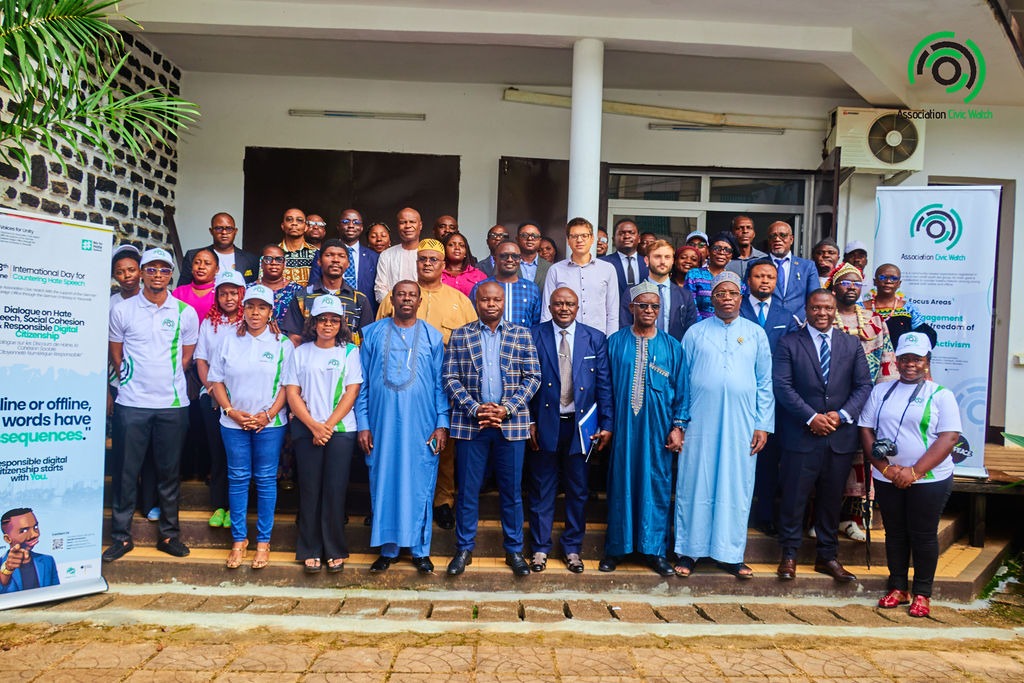
On Thursday, June 18, 2026, the Civic Watch convened a high level national dialogue at the Friedrich Ebert Foundation in Yaoundé to mark the International Day for Countering Hate Speech. Held under the global theme, “The Power of Partnerships in Countering Hate Speech.” The event brought together an unprecedented range of stakeholders including government Officials, Mr Denise Mbezele (CNC), Mr Bitchoka Alexandre (MINJEC), Mr Massembe Cedric (SG/CNJC), Diplomatic Representatives – Mr Stean Auguste Tshiband (Peace and Development Adviser, UNRC Cameroon), Welc Henry (French Embassy) Members of Parliament – Hons Agho Oliver (MP for Tubah/Bafut), Awutah Phillip Atubah (Momo West), Yaya Doumba Marius (Mbere), Koupit Adamou (Noun Centre) and Njume Peter Ambang (Ndian) and Civil Society Organizations- PROTEGE QV and Paradigm Initiative represented by Daho Serge and Giyo Ndzi respectively, traditional ruler Fon of Mbengwi- Njokem Adino, journalists, academics, and youth representatives.
The dialogue sought to address the growing impact of hate speech and misinformation while identifying practical, collaborative solutions to strengthen national unity and promote responsible digital citizenship.
A Shared Call for Collective Action
The representative of the German Federal Foreign Office, Gregor Munch, and the Office of the United Nations Resident Coordinator in Cameroon represented by Sean Auguste Tshiband insisted on the need for a coordinated response
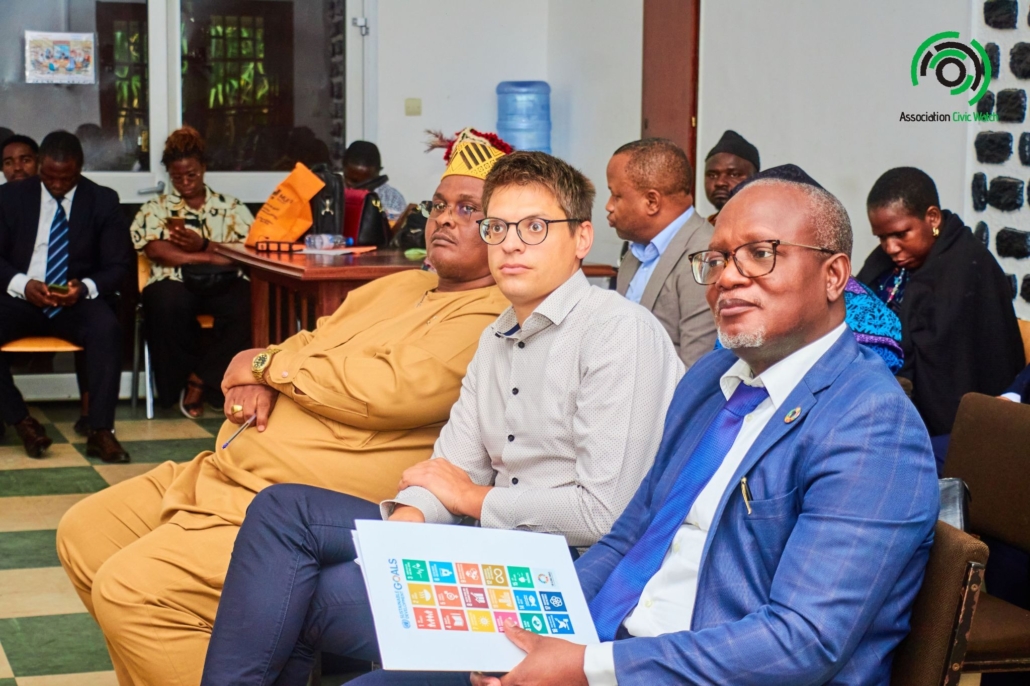
Gregor Munch stressed that “hate speech has become a growing threat across all sectors of society and no single institution can effectively address it alone.” Adding to this, Sean Auguste Tshiband called for “stronger partnerships between government, civil society, the media, communities, and international partners to build a more peaceful and inclusive society.
Parliament Calls for Stronger Enforcement of Existing Laws
In a panel discussion, Hon Njume Peter highlighted the direct relationship between the spread of misinformation, hate speech, and the escalation of socio-political tensions, particularly in the North West and South West regions.
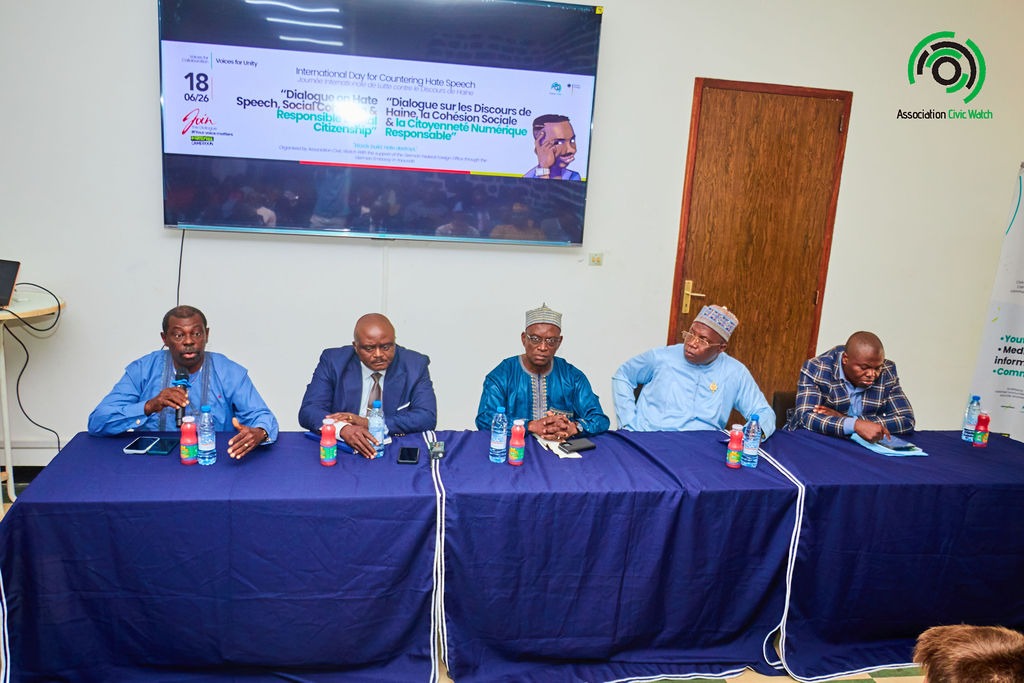
Hon Awutah noted that Cameroon already has legal provisions to address hate speech and related offences, but emphasized that these laws must be applied consistently and effectively. Supporting this claim, Hon Koupit argued that “stronger enforcement and appropriate sanctions would help deter those who deliberately promote hatred and division.”
Hon Yaya, also underscored the importance of civic education, reminding citizens that understanding the law is essential for responsible participation in both physical and digital spaces.
Government Institutions Advocate Prevention and Responsible Communication
Complementing the legislative perspective, government institutions and regulatory bodies presented strategies focused on prevention, public engagement, and responsible communication.
The Ministry of Youth Affairs and Civic Education (MINJEC) represented by Mr Bitchoka Alexandre highlighted its efforts to promote dialogue among communities through intercultural exchanges that allow citizens to express their concerns while fostering mutual understanding. The ministry also emphasized mechanisms for reporting harmful content online and offline.
The National Communication Council (NCC) represented by Mr Denise Mbzele, reaffirmed its commitment to upholding professional journalism standards. It stressed that media freedom must always be exercised responsibly and announced its continued application of sanctions against journalists and media outlets that promote hate speech, incitement, or sensationalism.
Empowering Young People as Agents of Positive Change
Recognizing that young people are both among the most affected by online misinformation and one of the most influential groups shaping digital conversations, the National Youth Council of Cameroon presented its nationwide strategy for countering hate speech.
With a network of approximately 14,000 youth organizations across all ten regions of Cameroon, the Council outlined plans to strengthen young people’s ability to identify and report harmful online content while promoting positive counter-narratives.
The strategy also integrates sports, cultural activities, and community engagement as practical tools to strengthen social cohesion and encourage peaceful coexistence among young people.
Civil Society, Traditional Leaders, and the Media as Guardians of Social Cohesion
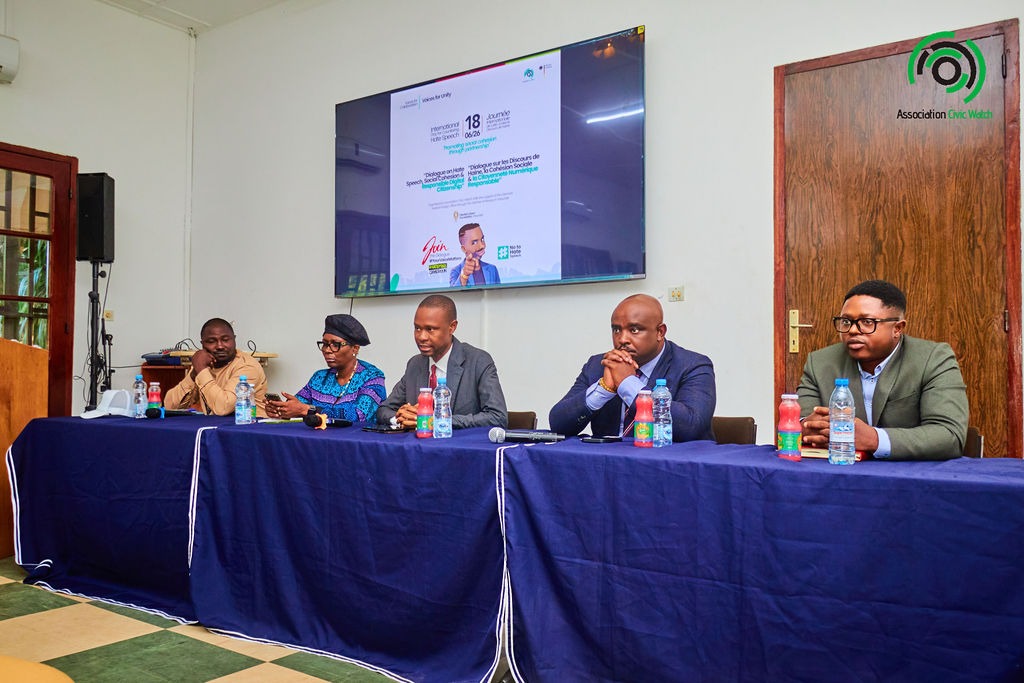
The final session focused on the critical role of civil society organizations, journalists, and traditional authorities in safeguarding truth, accountability, and peaceful coexistence.
Participants agreed that combating hate speech requires a renewed commitment to ethical communication. Journalists were encouraged to uphold the highest standards of accuracy, verification, and responsible reporting, resisting the temptation of sensationalism. Traditional leaders were equally recognized for their influence in promoting dialogue, resolving local conflicts, and reinforcing values of respect and unity within their communities.

Recommendations
The panel discussions underscored that building a safer civic space requires a collective commitment from government institutions, media professionals, civil society, and citizens. A key recommendation from Hon. Awuntah was the need for sustained public sensitization on hate speech. He emphasized that ignorance of the law does not exempt anyone from accountability, making continuous public education essential to preventing harmful online and offline behavior. The panel also stressed that responsible digital citizenship begins with individual actions. Every citizen has a role to play in promoting respectful dialogue, verifying information before sharing it, and ensuring that the exercise of freedom of expression does not infringe on the rights and dignity of others.
Hon. Agho further recommended that citizens become familiar with the legal framework governing hate speech and misinformation in Cameroon. Greater awareness of these laws, he noted, would encourage responsible engagement in both physical and digital spaces while reinforcing accountability for harmful conduct.
Representatives from key government institutions outlined ongoing initiatives that contribute to a safer and more inclusive civic space. The Ministry of Youth Affairs and Civic Education (MINJEC) highlighted the establishment of reporting platforms for hate speech and the creation of the Living Together Hub, a community dialogue initiative that brings together people from different ethnic and social backgrounds to express their concerns, foster mutual understanding, and strengthen social cohesion.
The National Civic and Citizenship Council (CNJC) presented several recommendations centered on youth engagement. These included expanding awareness campaigns on the dangers of hate speech, strengthening the capacities of trained youth to identify and report incidents, and scaling community-based initiatives through the creation of over 14,000 organizations across all ten regions of Cameroon. The Council also emphasized the importance of promoting counter-speech by equipping young people to spread positive narratives, organizing sports and recreational activities that encourage interaction across diverse communities, and advocating for stronger respect for and enforcement of existing laws against hate speech.
The National Communication Council (CNC) emphasized the critical responsibility of the media in safeguarding civic space. It highlighted the need for journalists and media organizations to uphold professional ethics by avoiding the dissemination of misinformation and hate speech. The Council reiterated that media professionals and outlets found violating these standards may face sanctions, while also reminding participants of the legal provisions already in place to address hate speech and misinformation. These measures reinforce the media’s role as a key actor in promoting accurate information, peaceful dialogue, and social cohesion.
Collectively, the recommendations from the panel called for a whole-of-society approach to protecting civic space. Through stronger public awareness, responsible digital citizenship, youth engagement, ethical media practices, effective reporting mechanisms, and consistent enforcement of existing laws, Cameroon can foster a safer, more inclusive environment where fundamental rights and freedoms are protected both online and offline.
Building a Lasting Coalition for Peace
Beyond the recommendations adopted during the dialogue, the event demonstrated the value of bringing together institutions and actors that rarely share the same platform. The participation of legislators, government regulators, diplomats, United Nations representatives, civil society organizations, media professionals, traditional authorities, youth leaders, and citizens reflected a shared recognition that addressing hate speech requires coordinated action across every sector of society.
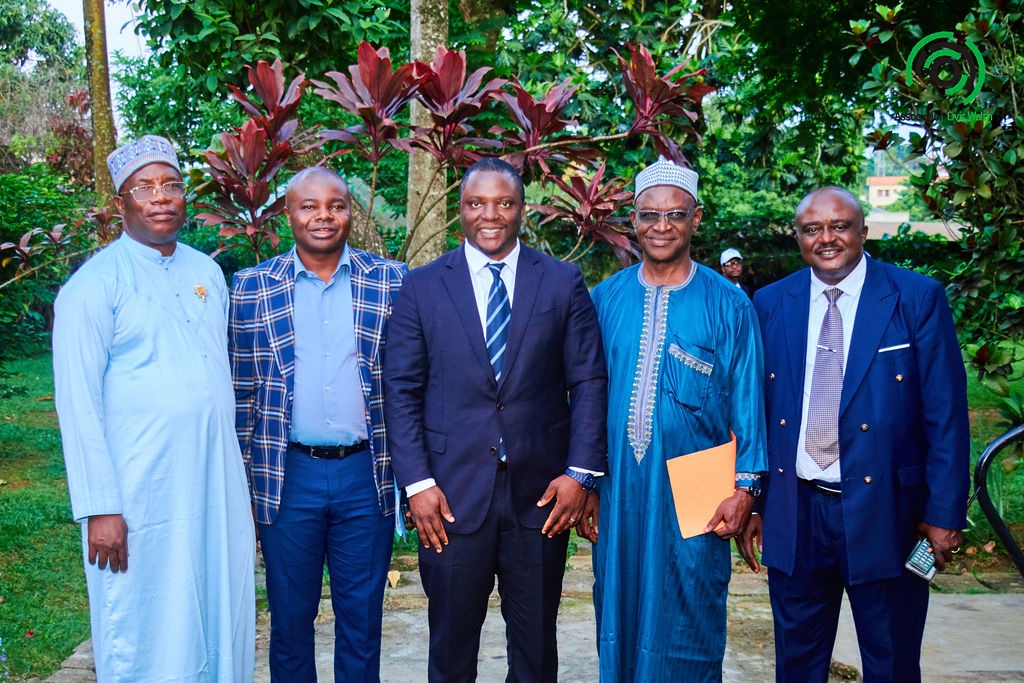
The discussions illustrated that effective responses must combine strong legal enforcement, preventive education, ethical journalism, youth engagement, community leadership, and sustained multi stakeholder collaboration.
By creating this platform for open dialogue, Civic Watch and its partners demonstrated that collective action remains one of the strongest tools for protecting democratic values, strengthening responsible digital citizenship, and preserving national cohesion.
As harmful narratives continue to evolve across both online and offline spaces, initiatives such as this serve as an important reminder that lasting peace is built not only through institutions, but also through partnerships grounded in trust, accountability, and shared responsibility. Through sustained collaboration, Cameroon can continue laying the foundation for a more united, informed, and resilient society.


Leave a Reply
Want to join the discussion?Feel free to contribute!