

Taming the Algorithm: Reclaiming Editorial Integrity in the Age of AI: Who Still Holds the Pen When Machines Can Write the Story?
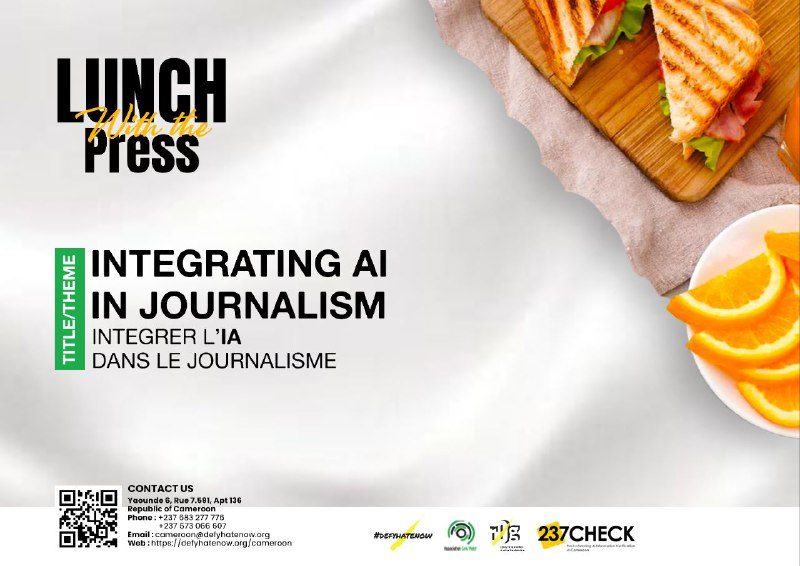
As Artificial Intelligence steadily integrates into newsrooms and editorial workflows, a powerful and unsettling question rises to the forefront of civic discourse: Who now holds the authorship of truth? At a time when algorithms can produce entire articles in a matter of seconds and when falsehoods often travel faster than facts, journalism finds itself at a profound crossroads. The core principles of accuracy, context, and public trust are being tested in ways never seen before. It is within this complex and rapidly evolving environment that Civic Watch steps into the conversation not to resist innovation, but to challenge it with a renewed commitment to responsibility and humanity. We believe that technological advancement must be matched with ethical reflection, and that truth must remain rooted in transparency, civic values, and the lived realities of communities. As AI reshapes the media landscape, our work seeks to ensure that the voices of citizens, not just code, continue to shape the narrative.
Reflections from Civic Watch’s AI and Journalism Press Lunch
On July 25, 2025, Civic Watch hosted another press lunch that did more than gather people around a table, but sparked a civic dialogue at the intersection of technology and truth. Under the guidance of Dr. Ngala Desmond, peacebuilding consultant and Founder of Civic Watch, the event brought together journalists, researchers, developers, and concerned citizens to confront one of the most urgent questions of our media age: What happens to journalism when Artificial Intelligence joins the newsroom?
Framed under the theme “Integrating AI in Journalism”, the gathering explored far more than just the technical capabilities of machines. It challenged attendees to reimagine the future of news, not as a battleground between humans and algorithms, but as a potential site for collaboration. Could editorial integrity coexist with machine-generated content? How do we preserve human judgment, context, and ethical nuance in a space increasingly influenced by automation? The conversation was honest, provocative, and necessary. Participants debated whether machine precision could ever match the values that underpin journalism: accountability, empathy, and public trust. Rather than offering simple answers, the press lunch opened space for critical inquiry and collective visioning. In a time when innovation often races ahead of reflection, Civic Watch’s press lunch was a timely pause—and a powerful reminder that the future of journalism must be shaped not just by code, but by conscience.
Rethinking Journalism Beyond the Algorithm
In a warm, bilingual setting that echoed Cameroon’s rich cultural identity, Civic Watch transformed its headquarters into a space for reflection, curiosity, and dialogue. This was no conventional press event, no podiums, no rigid formats, no scripted performances. Instead, the atmosphere was relaxed, intentionally intimate, and deeply participatory. Attendees from all walks of life, seasoned journalists, tech developers, media students, civic leaders, and curious citizens, came together not as spectators, but as co-creators in a conversation about the future of journalism in the age of AI. The diversity in the room was not just demographic; it was ideological, experiential, and generational. This pluralism underscores Civic Watch’s vision of inclusive civic innovation: a media landscape where people are not just passive recipients of information but active architects in shaping how stories are told, shared, and trusted. By centering dialogue over debate, and people over platforms, the event invited participants to rethink journalism beyond the algorithm toward a future that is not just technologically advanced, but also deeply human.
AI’s Tools, Journalism’s Purpose, and Ethical Anchors in a Shifting Landscape
At the heart of the conversation was a grounding in the real: real tools, real concerns, and real opportunities. Through an insightful and hands-on presentation, Nigerian AI-for-media expert Chinedu Hardy Nwadike demystified how journalists can engage with AI tools like ChatGPT, Deepseek etc. He walked participants through step-by-step strategies to craft effective prompts, showing not just what the technology can do, but how to use it with intention. “AI is a tool, not a replacement. It demands discipline, discernment, and human creativity,” Chinedu emphasised. “Using AI doesn’t make you lazy, it depends entirely on how you use it.” His message was clear: AI can accelerate the process of journalism, but it should never replace the thinking behind it. “It’s not about abandoning journalism to AI,” he added, “it’s about letting AI add value to your journalistic effort.” This theme of responsible integration was echoed and deepened by Dr. Hervé Tiwa, Executive Director of Med.IA Lab, whose contributions added a layer of critical reflection. While acknowledging the potential of tools like ChatGPT, Manus, Hugging Face, and Gamma to revolutionise article drafting, content generation, and visual storytelling, Dr. Tiwa struck a cautionary note. “AI is a double-edged sword,” he said. “It can enhance journalism, but only in the hands of ethical professionals who refuse to surrender authorship.” He warned against the temptation to chase efficiency at the cost of editorial integrity, reminding the room that journalism is not just about output, but about responsibility. “Journalists must never abandon their core mission to machines,” he declared. “The future of journalism doesn’t lie in outsourcing truth. It lies in reclaiming the tools and guiding their use with purpose.”
Perhaps the most memorable takeaway was his closing remark
“The future of journalism will not be written by AI, but by the journalists who master it.”
This sentiment captured the spirit of the day: cautious optimism, guided by ethics, and rooted in a shared belief that technology must serve humanity, not the other way around.
A Civic Manifesto for Human-Centered Media
What unfolded at Civic Watch’s press lunch was far more than a dialogue on digital tools; it emerged as a powerful civic manifesto for the future of journalism. Far from a starry-eyed embrace of emerging technology, the gathering offered a grounded, critical, and deeply values-driven perspective on what it means to inform, engage, and protect society in the AI era. “Journalism isn’t just about producing content,” declared Dr. Ngala Desmond, Founder of Civic Watch. “It’s about provoking thought, demanding accountability, and protecting democracy.” His words set the tone for an event that called on participants not just to adapt to change, but to shape it with intention and conscience. The message was unmistakable: journalism must evolve, but it must never dissolve. Civic Watch champions a vision of augmented journalism, where technology acts as an extension of human insight, not a replacement for it. In this model, AI becomes a tool for amplifying the journalist’s voice, not dulling it; for improving workflows, not erasing editorial responsibility. Dr. Ngala concluded with a timely and urgent reminder: “With presidential elections around the corner, misinformation is certainly on the rise. But with the AI tools discussed here today, I’m confident we’ll see more verification, more fact-checking, and more vigilance.”
In a time of technological disruption and democratic fragility, Civic Watch’s message rings clear: the future of media must remain human at its core, guided by truth, driven by ethics, and powered by people.


Laisser un commentaire
Rejoindre la discussion?N’hésitez pas à contribuer !