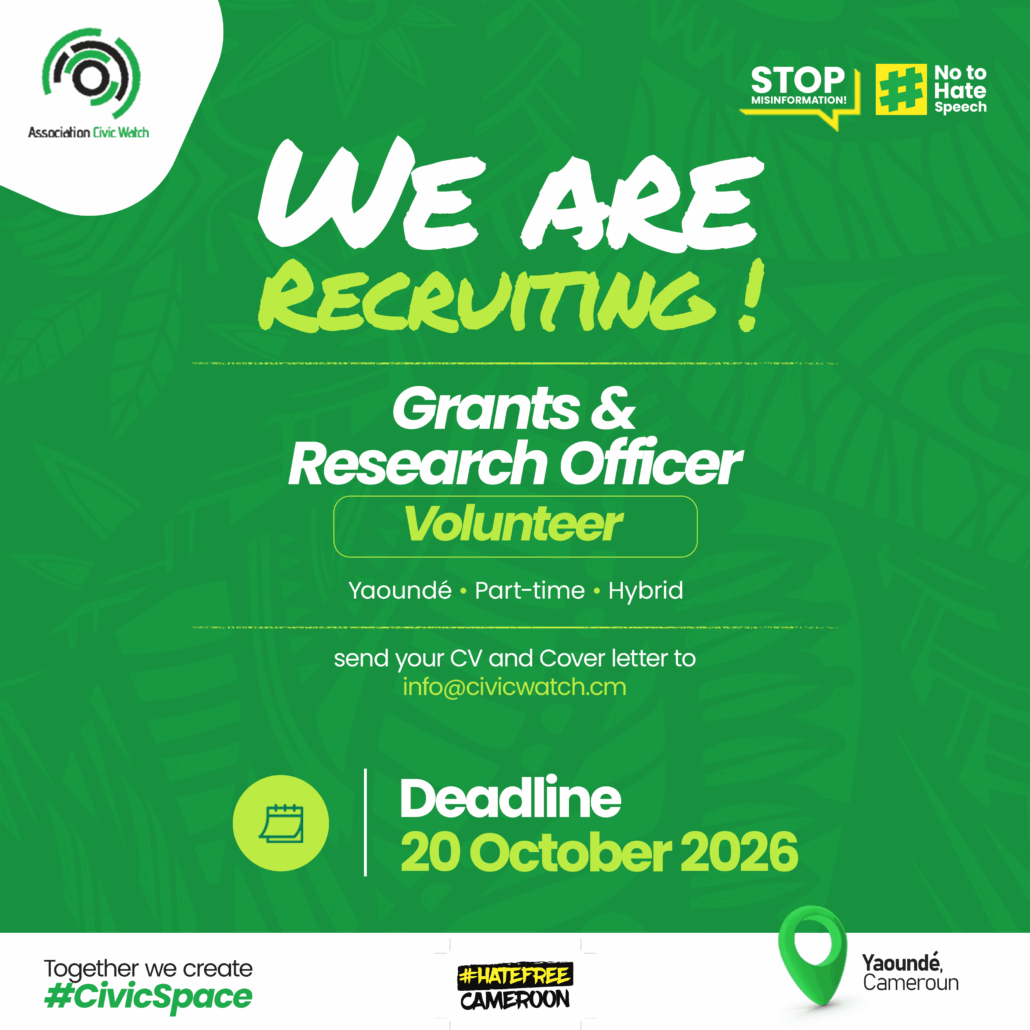
Organisation: Association Civic Watch Location/Type: Yaoundé, part-time, hybrid Date posted: Friday, 2 October 2026 Deadline: 20 October 2026
About Civic Watch Civic Watch is a youth-led, non-profit organisation based in Yaoundé. We mobilise communities to promote digital civic spaces & Technology, disinformation, and violent extremism, online and offline, for a peaceful Cameroon. Our funding themes include:
Information Integrity: #237Check and the Africa Fact-Checking Fellowship (AFFCameroon),
Inclusion and Minority Protection: Training women, girls, marginalised groups, including minorities and persons with disabilities, on digital safety, cybersecurity, and defending their rights in civic spaces.
Media and freedom of information: #Media4Peace: helping journalists report responsibly during conflict, crises, and elections.
Community activism and #HateFreeCommunities: school and community dialogues on human rights, tolerance, and safe spaces.
Youth civic participation & Election Integrity: Advocating for fair, transparent, and ethical use of digital tools and personal data during electoral periods. Amplifying young people’s voices in peace and electoral processes and in holding local officials accountable.
This role is central to that effort. We are looking for a Grants & Research Volunteer Officer to help us find funding and turn our programmes into strong applications.
Key responsibilities Funding research
Identify and vet funding opportunities (government, foundations, embassies, multilateral agencies, corporate programmes) that fit our thematic areas.
Build and maintain a prioritised funding tracker with eligibility, deadlines, ceilings, and fit ratings.
Study civic watch programs to understand our initiatives and effectively communicate them to potential donors.
Grant writing and application support
Work with the team to draft concept notes, letters of interest, proposals, and budget narratives.
Adapt our impact stories and data into donor-specific formats.
Administration and compliance
Monitor funding deadlines to ensure timely submission of applications
Keep an organised library of standard documents (registration papers, reports, boilerplate text).
Support donor communication and general fundraising administration.
Who we are looking for
Strong research skills and attention to detail
Excellent written English (French is a strong asset)
Experience in grant writing, proposal development, or non-profit fundraising
Interest in peacebuilding, civic engagement, media literacy, or youth empowerment
Ability to work independently and meet deadlines
Organizational skills
Nice to have: familiarity with donors active in Cameroon and West/Central Africa and beyond
Education and Qualification
At least a Bachelor’s degree (BA/BSc/Licence) in a relevant field, such as Development Studies, project Management, Political Science, Communication, Journalism, International Relations, Social Sciences, Law, Public Administration, Business Administration, or a related discipline
Minimum 2 years’ experience is required. Recent graduates with relevant experience are welcome to apply
Advantage: a Master’s degree, or a certificate or training in grant writing, proposal development, project management, or non-profit management
Commitment
5-10 hours per week, flexible schedule
Hybrid: mainly remote, with occasional in-person meetings in Yaoundé
Initial 3-month term, with the possibility of continued involvement
What you gain
Hands-on experience in strategic fundraising for a peacebuilding organisation
Measurable, mission-driven contributions for your CV, with a reference on request
Work with a dynamic, youth-led team and exposure to international partners
Volunteers who make strong contributions may be considered for paid opportunities as funding allows
Room to grow with the organisation as it expands
Involvement in more than one project as our funding grows
How to apply Send your updated CV and a cover letter (max. one page) explaining your interest and any relevant grant experience to info@civicwatch.cm. Use the subject line: Application_Grants & Research Officer. Deadline: 20 October 2026.
Only shortlisted candidates will be contacted.
https://civicwatch.cm/wp-content/uploads/2026/10/Grant1-scaled.png25602560adminhttps://civicwatch.cm/wp-content/uploads/2021/11/Civic-Watch-e1652454008816-1030x249.pngadmin2026-10-02 17:55:202026-10-02 18:42:07We are recruiting: Grants & Research Officer (Volunteer)
In Bamenda, persons from minority groups and persons living with disabilities continue to face challenges that undermine their fundamental rights. Targeted hate speech, incitement to violence, disinformation and misinformation continue to marginalize these groups within their respective communities, creating an environment of fear, discrimination and isolation.
The growing use of digital technologies and communication platforms has created new opportunities for information sharing, civic participation and access to services. However, for minority groups and persons living with disabilities, the digital environment remains far from inclusive. Challenges such as online harassment and cyberbullying further expose them to discrimination and abuse.
These challenges extend beyond the affected groups and have wider implications for society, weakening civic participation and limiting informed engagement in democratic processes. At the same time, many minority groups and persons living with disabilities have limited access to practical training on digital safety, cybersecurity and the documentation of rights violations. This reduces their ability to respond effectively to threats in the rapidly evolving digital environment and to fully benefit from the opportunities that technology provides.
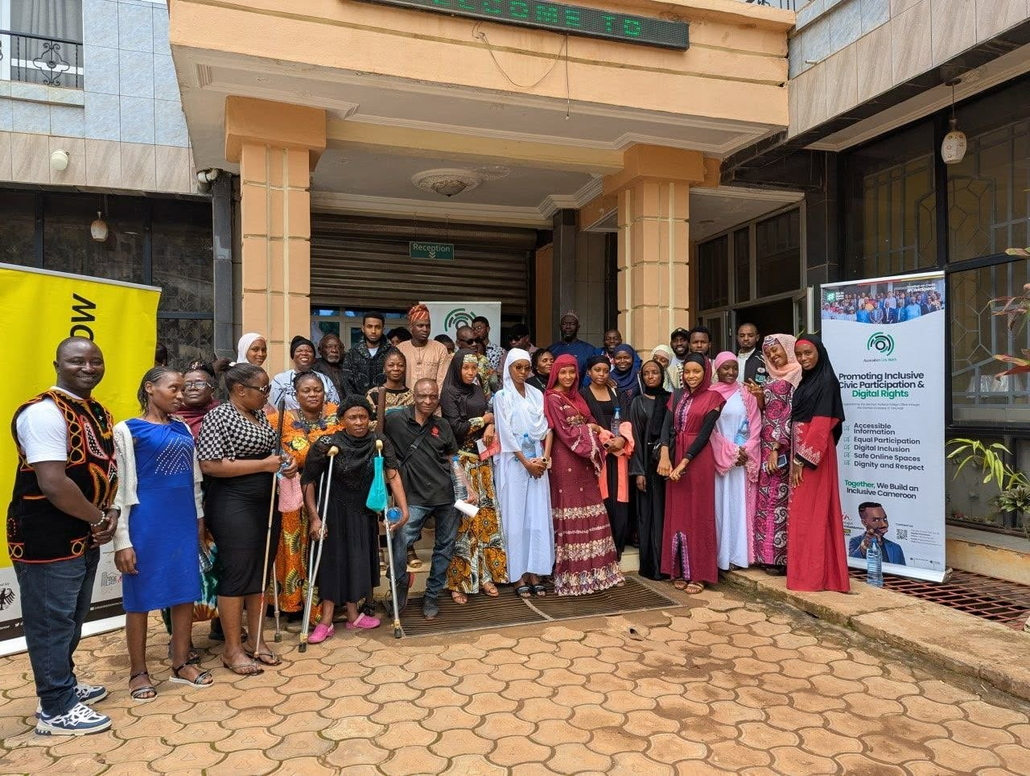
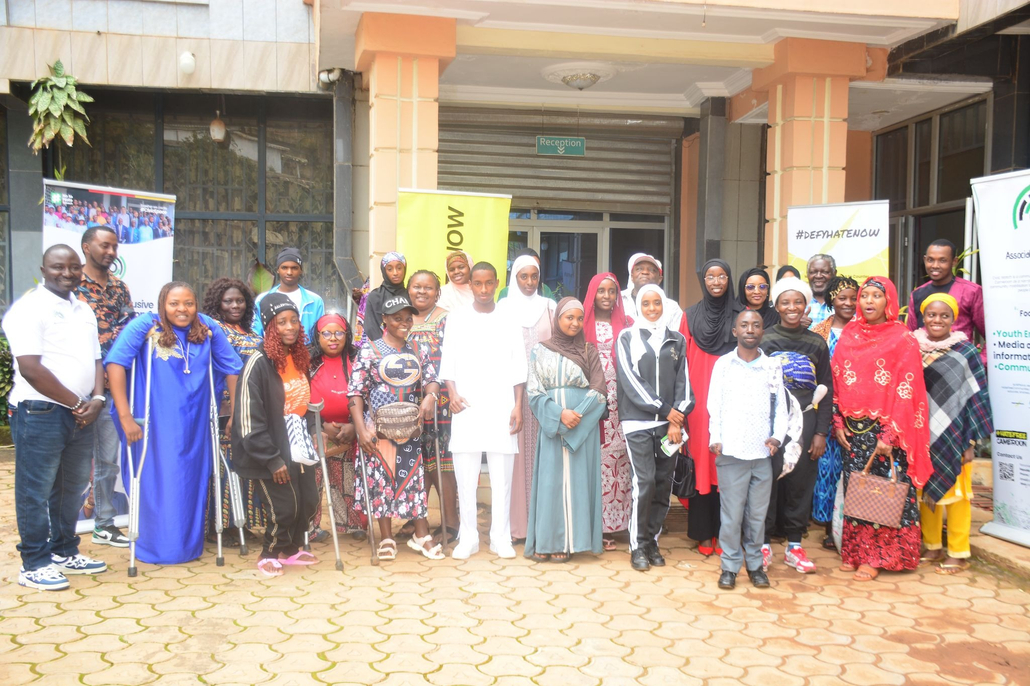
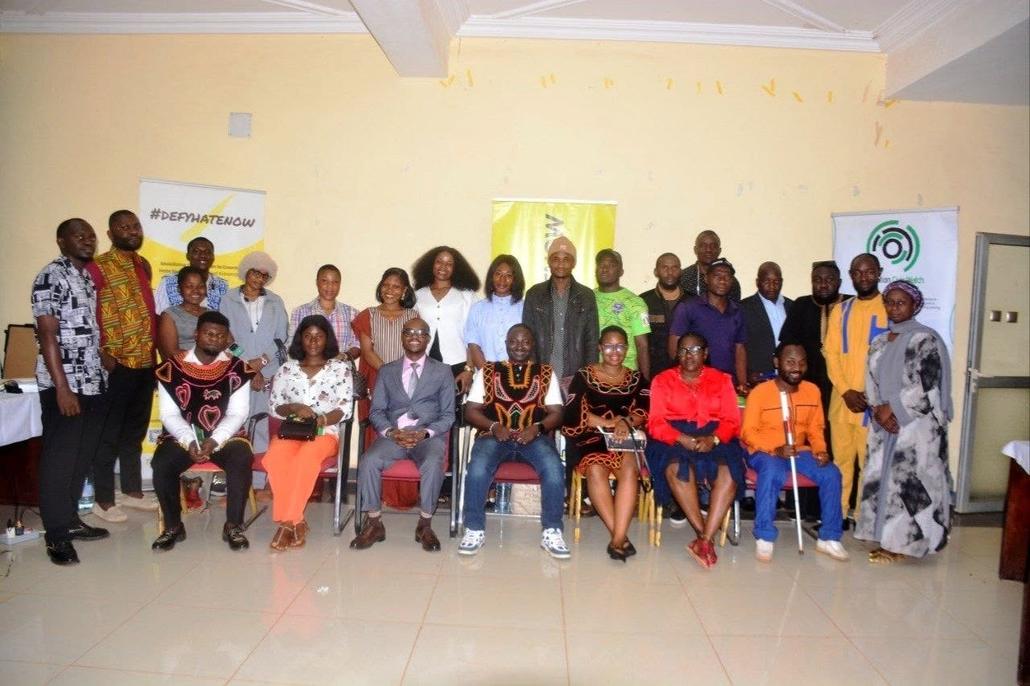
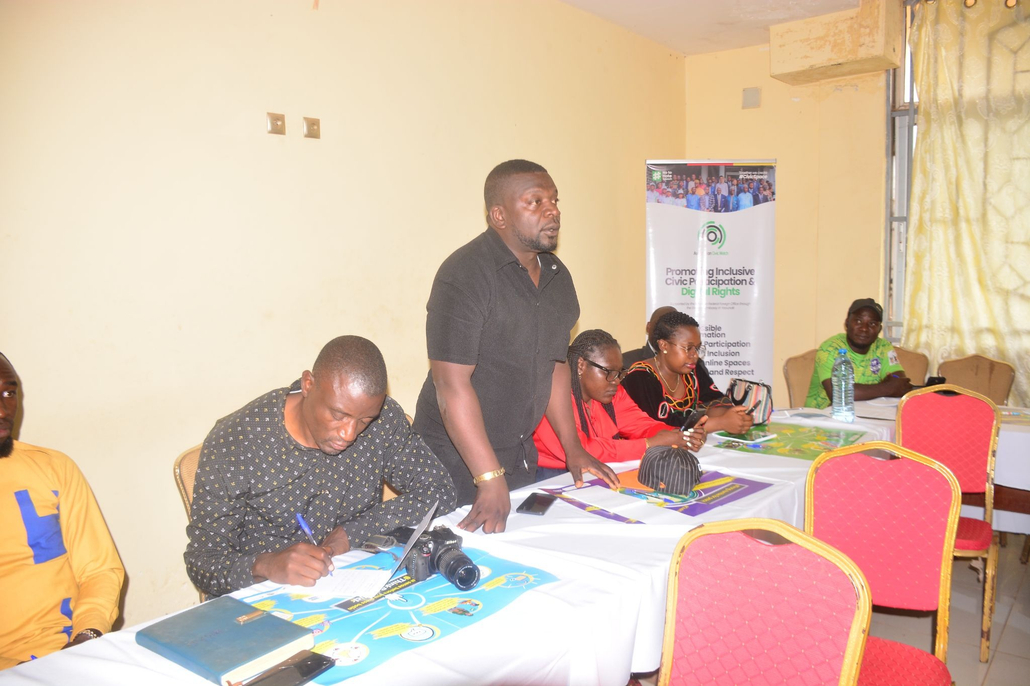
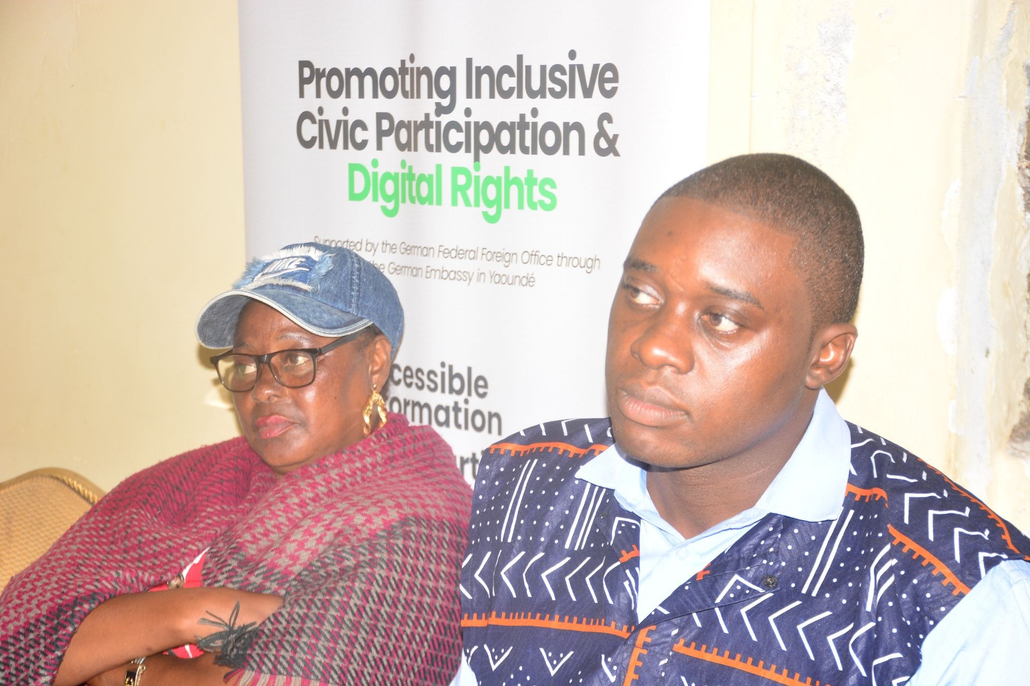
To respond to these challenges, Association Civic Watch with support from the German Federal Foreign Office through the Ambassade d’Allemagne a Yaoundé engaged more than 50 persons from minority groups and persons living with disabilities in a two day capacity building workshop aimed at strengthening their capacity to promote and protect civic space and respond effectively to emerging online and offline threats targeting them.
The workshop sought to improve participants’ understanding of digital safety, cybersecurity and practical measures for protecting themselves and others from online and offline threats. It also aimed to promote collaboration among participants and relevant stakeholders in advancing human rights protection as well as to develop practical recommendations for safer communities for minorities and persons living with disabilities and strengthen advocacy for their rights.
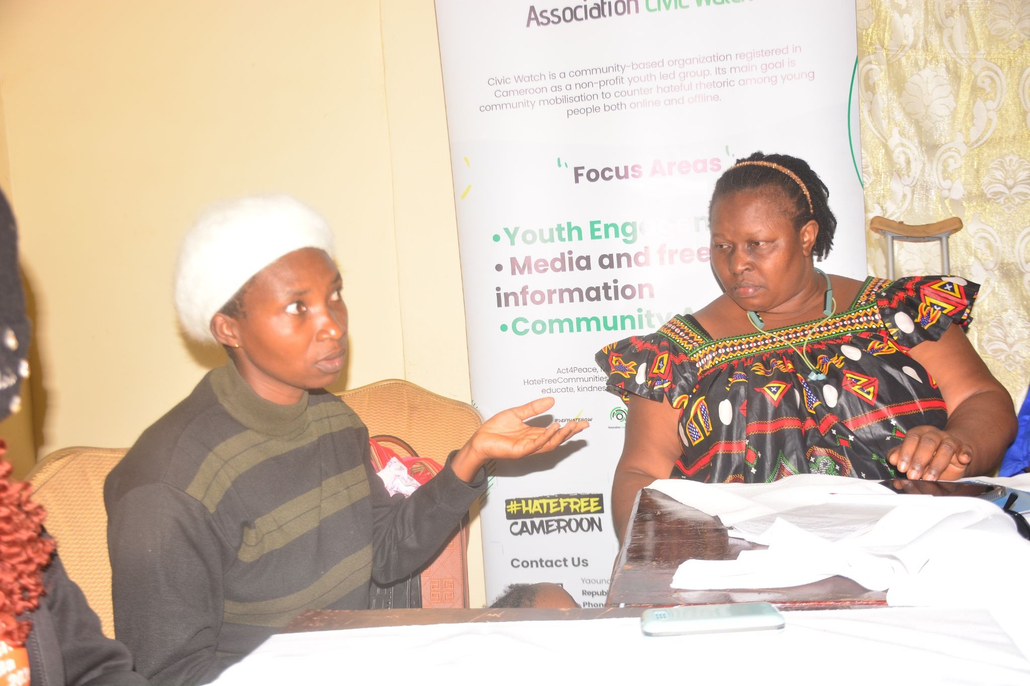
During experience sharing sessions, participants spoke about the difficulties they face in documenting and reporting violations including violations experienced within healthcare facilities.
One participant recounted an experience at a hospital where she had gone to seek treatment for itches. According to her, after a doctor recommended that she undergo tests for sexually transmitted diseases, the woman attending to her told her: “You know you do not see and you are following men around. All those men you are following will only infect you and abandon you. Must you have sex?”
Her experience is not an isolated incident, as other participants shared similar experiences of stigma and discrimination.
Another participant recounted an experience involving his wife during childbirth. According to him, a nurse asked who was responsible for the woman and, after he identified himself as her husband, the nurse questioned whether he was capable of sponsoring the delivery.
He said the nurse went further to tell him: “These types of people should be advised to do family planning.” He described the experience as a form of severe stigma.
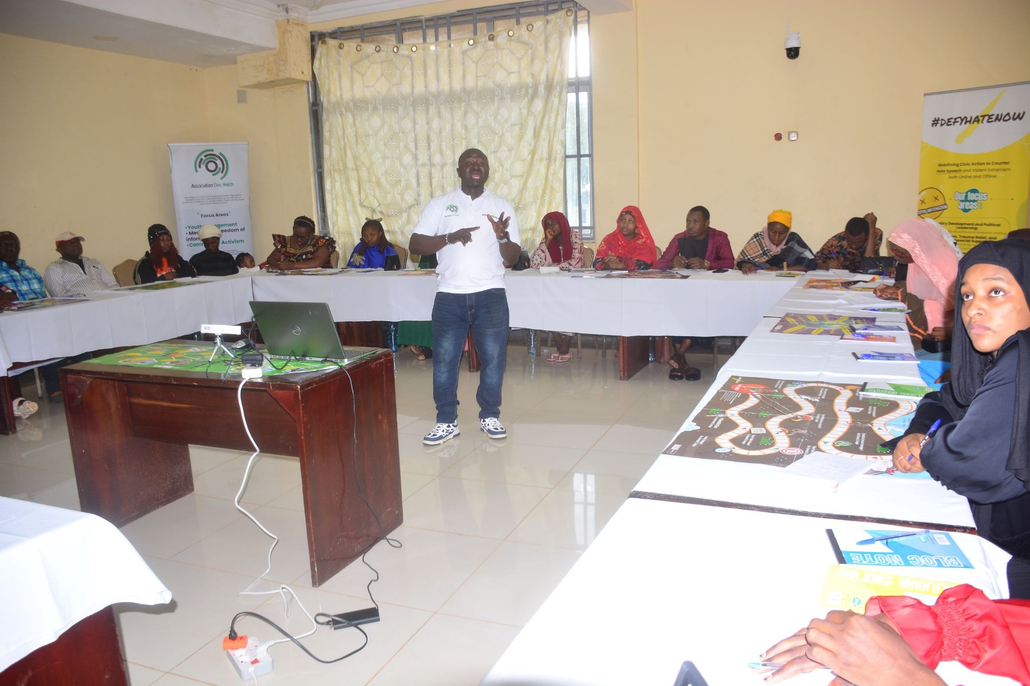
Facilitator Dr Kinang Derick explained the importance of the training, noting that some rights violations occur without victims immediately recognizing that their rights have been violated.
“Their rights are at times violated without them knowing. We believe that until they know these rights, they will not be able to identify when they are violated. We noticed in our discussions that even in situations where they know their rights are being violated, there are some obstacles that make it difficult for them to report these violations because they are afraid of further reprisals from the violators,” he said.
According to Dr Kinang, the discussions were therefore designed to help participants understand the rights they are entitled to and equip them with possible techniques for documenting violations.
Speaking about violations faced by persons living with disabilities and members of minority groups in hospitals, Dr Kinang stressed the need for healthcare facilities to provide safe and respectful spaces for all patients.
“Hospitals should be safe spaces and people go there because they are in distress. Hence, those who are violating the rights of persons living with disabilities and minority groups should be punished severely” he said.
He further called for increased training and sensitization within health facilities in the region to help healthcare workers better understand the specific needs and vulnerabilities of persons living with disabilities and minority groups.
“Training and sensitization needs to take place within health facilities in the region to highlight how important and delicate their job is, especially when it comes to persons living with disabilities and how imperative it is for them to be treated with care” he said.
The workshop ultimately sought to ensure that participants are better equipped to recognize violations, document them safely, seek appropriate redress and advocate for their rights while strengthening collaboration among affected communities and relevant stakeholders.
For participants, the discussions provided an opportunity not only to learn about their rights but also to share experiences that highlight the everyday realities of discrimination and stigma faced by minorities and persons living with disabilities in Bamenda.
https://civicwatch.cm/wp-content/uploads/2026/09/image.png9641280adminhttps://civicwatch.cm/wp-content/uploads/2021/11/Civic-Watch-e1652454008816-1030x249.pngadmin2026-09-01 20:34:162026-09-01 20:34:58Protecting the Rights of Minorities and Persons Living with Disabilities : Association Civic Watch equips minorities and persons living with disabilities with skills to defend their rights.
Journalists in Bamenda continue to navigate a challenging media environment marked by misinformation, hate speech, discrimination, online harassment, digital security threats, restrictions on civic space and violations of their rights. These challenges affect the ability of journalists to effectively inform citizens, promote transparency and accountability, amplify the voices of marginalized communities, encourage civic participation and facilitate informed public dialogue and decision making.
Restrictions on press freedom, legal intimidation, arbitrary arrests and detention, censorship, surveillance and limited access to public information continuously place additional pressure on independent journalism. For journalists reporting on governance, human rights, conflict and other sensitive issues, these challenges create an environment of fear and self censorship.
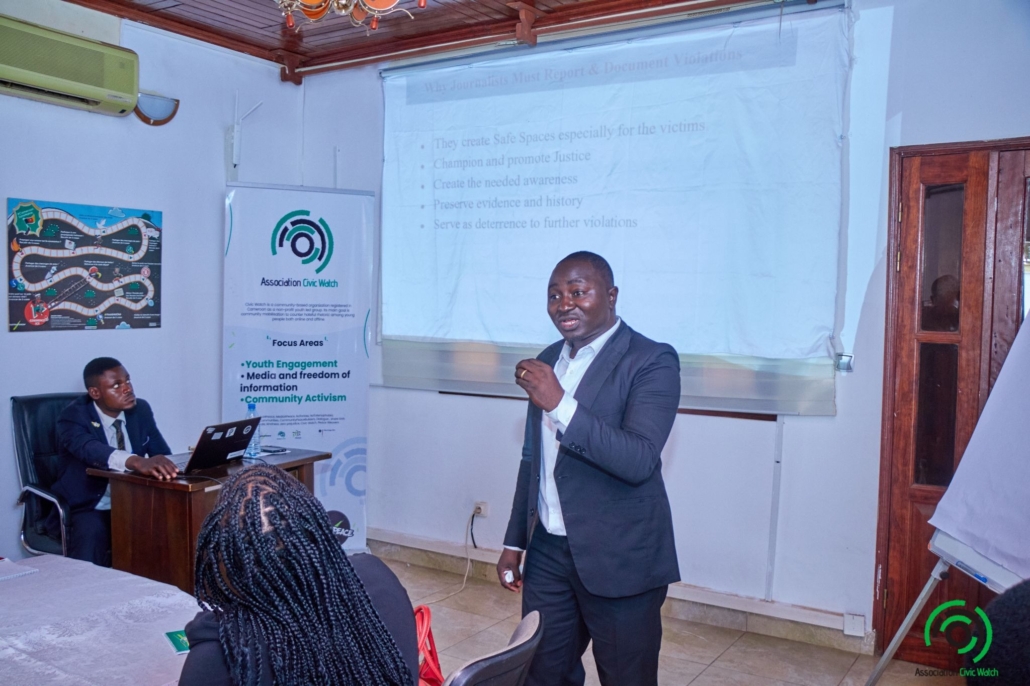
In response to this backdrop, Association Civic Watch, with support from the German Federal Foreign Office through the Embassy of the Federal Republic of Germany in Yaoundé, brought together over 50 journalists in Bamenda for a two day capacity building workshop under the theme: “Strengthening Civic Space: Protection of Fundamental Freedoms Through Improved Documentation and Response to Discrimination, Hate Speech and Media Repression.”
The workshop provided a platform for journalists to learn, exchange experiences and strengthen practical skills needed to navigate the increasingly complex media environment.
Sessions focused on documenting discrimination and human rights violations against journalists, journalism and human rights in the digital age, ethical and conflict sensitive reporting, countering hate speech and discrimination, digital safety and cybersecurity, and protecting journalists, their sources and sensitive information.
Through interactive discussions, practical exercises and experience sharing, participants explored how journalists can identify and document discriminatory practices, improve evidence based reporting on human rights violations and apply ethical and conflict sensitive reporting approaches when reporting on sensitive issues within the region.
Particular attention was given to the responsibility of journalists to report in ways that protect victims, avoid further harm and contribute to peacebuilding while safeguarding themselves and their sources.
The workshop also provided space for journalists to share lived experiences from their professional practice and discuss practical coping mechanisms for dealing with some of the risks associated with their work.
At the end of the two day engagement, participants were also expected to leave with improved knowledge on their capacity to identify, prevent and respond to hate speech, discrimination, misinformation, disinformation and online harassment using ethical, conflict sensitive and rights based reporting approaches.
The discussions further emphasized the importance of journalists working collectively and building stronger networks with civil society organizations, media organizations and other relevant stakeholders to promote media freedom and protect civic space.
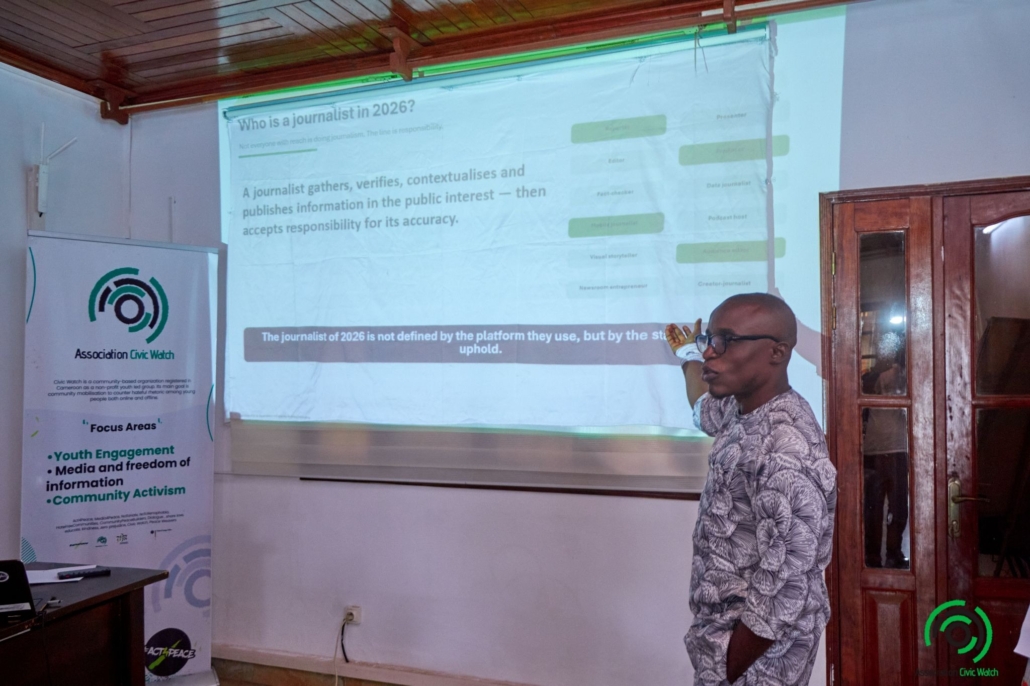
Acknowledging the difficult realities journalists face in the course of their work, seasoned journalist and facilitator Sah Terence reminded participants of their duties and responsibilities to the communities they serve.
His reflections underscored the relationship between rights and responsibility, with the reminder that “when we have rights, we have responsibilities.” He also emphasized the importance of prioritizing personal safety, reminding journalists that “no story is worth your life.”
For the journalists who participated, the workshop was an opportunity to acquire new knowledge, a space to reflect on the realities of the profession in the region, share experiences and consider how they can continue contributing to informed decision making processes ,an engaged and resilient society while protecting themselves and those they report on.
https://civicwatch.cm/wp-content/uploads/2026/09/image-1.png8531280adminhttps://civicwatch.cm/wp-content/uploads/2021/11/Civic-Watch-e1652454008816-1030x249.pngadmin2026-09-01 09:40:182026-09-02 09:40:53Strengthening Civic Space: Journalists in Bamenda Build Skills to Respond to Media Repression, Digital Threats
The National Commission for the Promotion of Bilingualism and Multiculturalism convened Civil Society Organisations Across Cameroon to officially renew their partnership
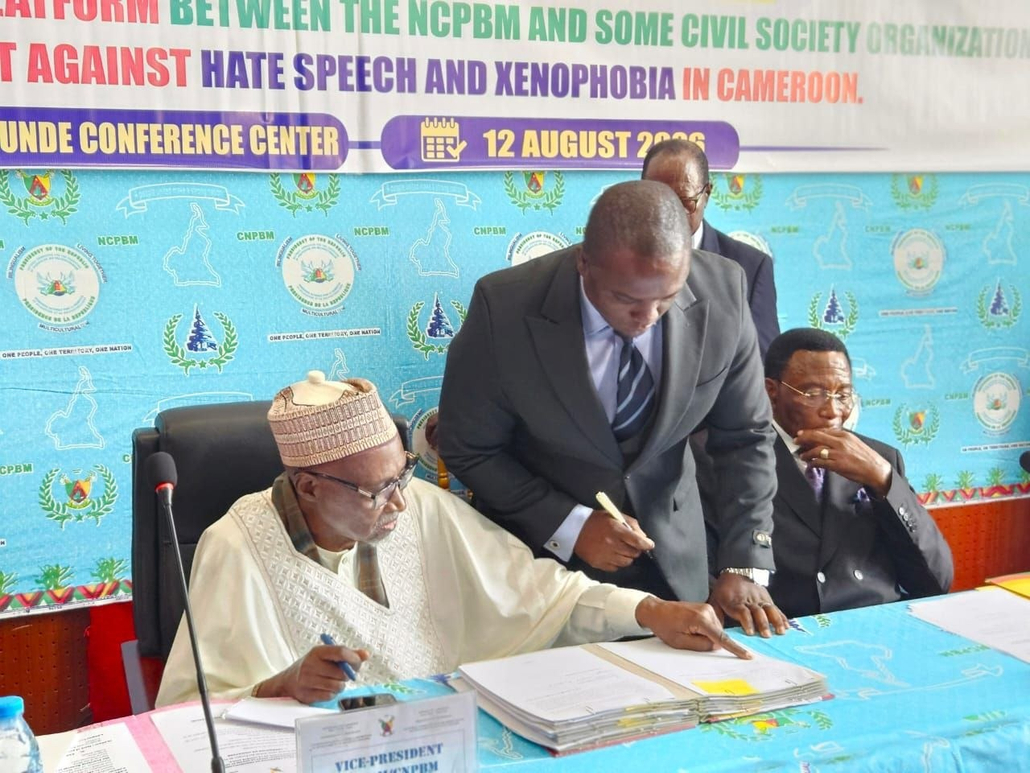
On 12 August 2026, at the Yaoundé Conference Centre, Civic Watch joined the National Commission for the Promotion of Bilingualism and Multiculturalism (NCPBM) and other Civil Society Organisations in renewing their commitment to a mission of strengthening the fight against hate speech and xenophobia in Cameroon.
For Civic Watch, this renewal goes beyond the continuation of a partnership and reaffirms a belief that has guided our work since we joined the National Coalition in 2022 that peace and social cohesion cannot be built by one institution or sector alone but require sustained collaboration among public institutions, civil society, community leaders, the media, women, youth and citizens.
Civic Watch renewing its agreement agreement with the NCPBM 2026
Since joining the National Coalition, Civic Watch has organised conversations on hate speech, xenophobia and social cohesion beyond formal spaces and into communities and digital platforms.
For four years, we have reached approximately 10,000 people both online and offline through workshops, community dialogues, sensitisation activities and online campaigns. These activities have brought together people from different backgrounds and walks of life, creating spaces where participants can openly discuss tolerance, peaceful coexistence, responsible communication and the dangers of hate speech.
Among those engaged in the North West Region are community leaders from diverse cultural backgrounds, youth, women, journalists and members of religious communities, members of political parties, chiefs, imams and members of Muslim communities, who highlighted the importance of such initiatives in strengthening social cohesion and peaceful coexistence. Community leaders from different cultural backgrounds also expressed their appreciation for the opportunity to learn more about tolerance, social cohesion, hate speech and living together despite differences. These engagements have reinforced an important lesson which complies with the fact that people are willing to be part of the solution when they are given the space, knowledge and tools to understand the problem and act together.
Online Sensitisation
Civic Watch’s work has also focused on the role of the media in shaping public conversations. Approximately 80 media professionals have been engaged through capacity-building workshops and sensitisation activities aimed at encouraging more responsible and conflict-sensitive reporting. The goal has not simply been to tell journalists what to avoid , but further encouraged them to recognise the influence they carry.
It should be noted that any headline, image, social media post or unverified claim can reach thousands of people within minutes. When information is inaccurate or inflammatory, it can deepen mistrust and fuel division, and when it is verified, responsibly and carefully framed, it can contribute to build trust and a peaceful coexistence.
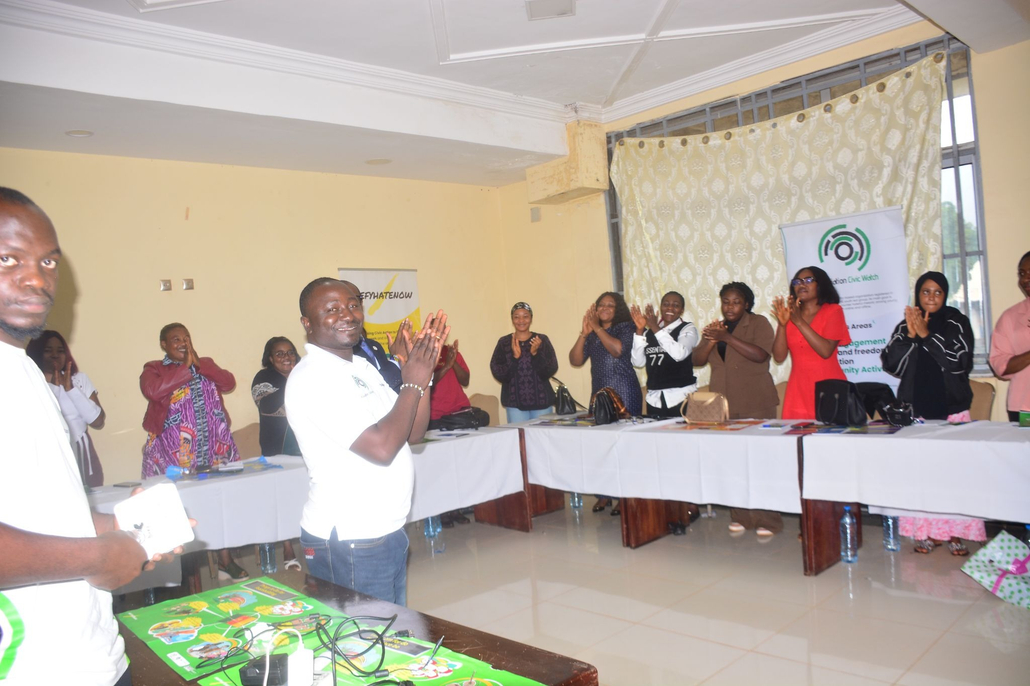
Workshop with Journalists & Representatives of Political Parties to Promote Free Fair Elections
Through these engagements, media professionals have been encouraged to verify information before sharing it (#ThinkB4UClick), avoid amplifying harmful narratives, and understand how reporting can contribute to reducing tensions in communities. The aim is for journalists who are the watchdogs to become both agents of peace within their media houses, in the communities they serve and in the digital spaces where information now travels faster.
The fight against hate speech cannot remain confined to conference rooms which explains why Civic Watch has been actively working with community media that use local languages, including Pidgin, to effectively reach audiences in ways that are accessible and relevant to them. These platforms provide an opportunity to discuss the dangers of hate speech and xenophobia using languages and communication channels that communities understand and trust.
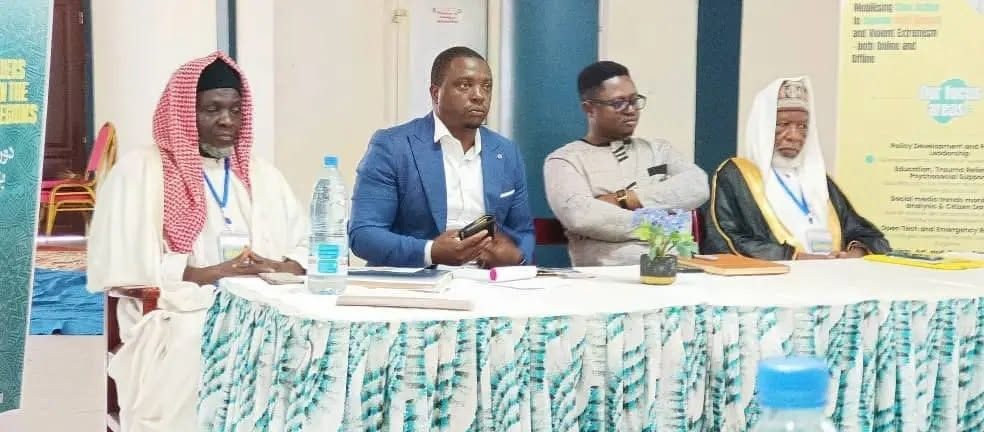
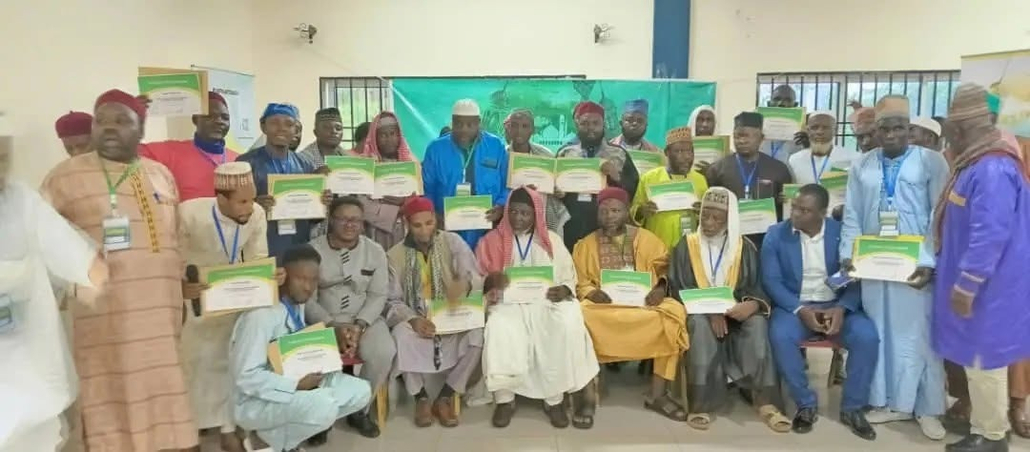
Workshop with Muslim Community on Social Cohesion & Peaceful coexistence.
A #HateFreeCameroon cannot be built by speaking only to those who already understand the issue. It requires reaching communities where they are, listening to their experiences, recognising their concerns and empowering them to become part of the response.
The progress made so far does not mean the challenges have disappeared. Communities in the North West region continue to face difficult realities, including violence, loss of lives, displacement, insecurity and other factors that can worsen mistrust and create fertile ground for harmful narratives. In such an environment, the fight against hate speech and xenophobia requires consistency. Civic Watch recognises that a workshop alone cannot transform a community, just as one awareness campaign cannot eliminate hate speech.
Muslim Community
It requires repeated conversations, trusted community voices, responsible media, informed citizens and partnerships that continue beyond individual activities or projects. This is why the renewal of the coalition with the National Commission for the Promotion of Bilingualism and Multiculturalism is important. It creates an opportunity to build on what has already been achieved, learn from what has worked, address emerging challenges and strengthen collective action.
For Civic Watch, sustainability is not simply about how many people attend a workshop.
It is about what happens after the workshop.
It is a journalist who pauses to verify information before publishing (#Media4Peace).
It is a community leader who challenges discriminatory language instead of allowing it to spread (HateFreeCommunities).
It is a young person who thinks twice before sharing inflammatory content online (Youth4Peace).
It is a religious leader who uses their platform to encourage tolerance and peaceful coexistence.
It is a woman who speaks up against narratives that divide her community (#Women4Peace).
It is a citizen who understands that freedom of expression also comes with responsibility.
These individual actions may appear small, but collectively they can help change the information environment and strengthen social cohesion.
Civic Watch believes strongly in the power of collaboration and our work with the NCPBM and other members of the national coalition is part of a broader commitment to building partnerships that address the root causes and drivers of hate speech and xenophobia. We have also engaged with the National Communication Council and other stakeholders in efforts to address misinformation and promote more responsible use of social media and communication in the North West region and in Cameroon in general. These partnerships remind us that the response to hate speech must be holistic. Government institutions have a role. Civil society has a role. Community leaders have a role. Religious leaders have a role. The media has a role. Young people and women have a role. And every citizen has a role. No single actor can do it alone.
The renewal of the coalition is therefore not the end of a journey, but a renewed starting point and Civic Watch remains committed to strengthening community engagement, supporting responsible journalism, promoting fact-checking and media literacy, creating inclusive spaces for dialogue, and working with communities to mitigate hate speech, xenophobia and misinformation. The experience of the past years has shown us that consistent engagement can build trust, dialogue can create understanding, and collaboration can turn awareness into action. Our vision is a Cameroon where differences in culture, language, religion or background are not used as reasons for division, but recognised as part of the country’s diversity. Hence building such a Cameroon will not happen overnight. But every verified story, every responsible post, every community dialogue, every young person empowered to question harmful information, and every leader who chooses tolerance over division moves us one step closer to building #HateFreeCommunities and a #HateFreeCameroon. The fight against hate speech is a shared responsibility and the commitment to peace must be shared too.
Civic Watch is ready to continue that journey to a peaceful and #HateFreeCameroon.
https://civicwatch.cm/wp-content/uploads/2026/08/image-17.jpeg9601280adminhttps://civicwatch.cm/wp-content/uploads/2021/11/Civic-Watch-e1652454008816-1030x249.pngadmin2026-08-24 17:01:532026-08-24 17:03:23Renewing the Collective Commitment Against Hate Speech and Xenophobia in Cameroon
In an era where misinformation spreads in seconds, artificial intelligence is transforming news production, and journalists increasingly face threats both online and offline while protecting civic space has become more urgent than ever. Strengthening democracy now depends not only on defending press freedom but also on ensuring that journalists have the skills, knowledge, and digital resilience, to report responsibly while safeguarding fundamental rights.
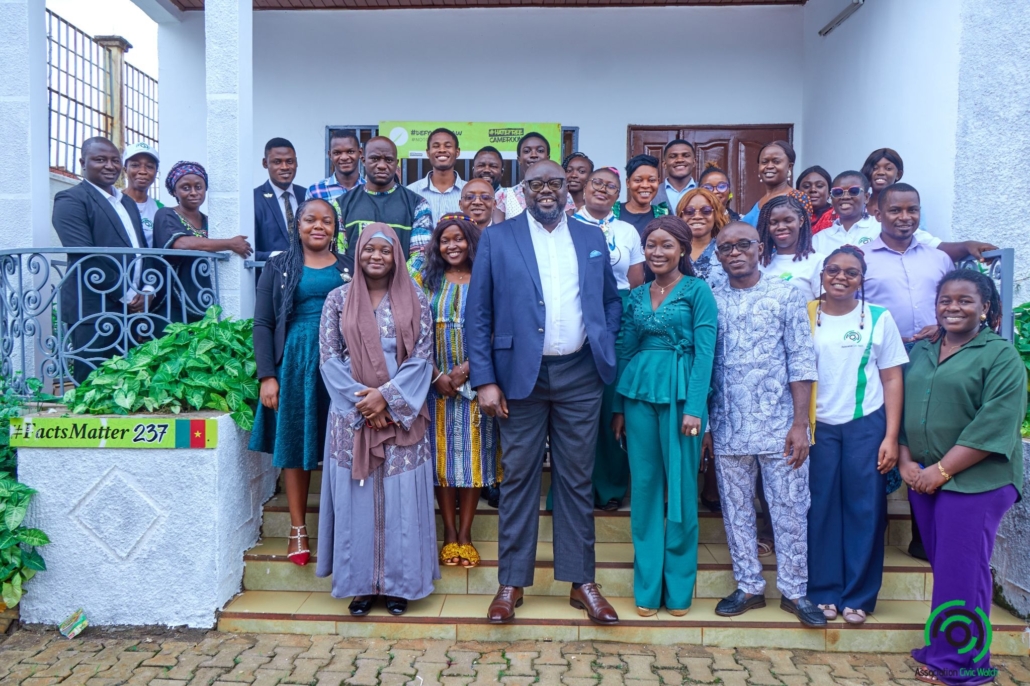
It is against this backdrop that Civic Watch brought together journalists in Yaoundé for a 2-day capacity building workshop under the theme “Strengthening Civic Space: Protection of Fundamental Freedoms Through Improved Documentation and Response to Discrimination, Hate Speech and Media Repression.” The initiative was designed to move beyond discussions by providing practical solutions to some of the most pressing challenges facing journalism today, including the misuse of artificial intelligence, growing digital insecurity, hate speech, discrimination, and attacks on media professionals.
Rather than treating these issues as isolated problems, the workshop demonstrated how they are deeply interconnected. Facilitating the session on “Digital safety and Building Collective Action to Protect Civic Space”, Fotso Fonkam stated that “a journalist who lacks digital security is more vulnerable to surveillance and intimidation”. Failure to document violations against journalists weakens accountability and allows abuses against press freedom to continue unchecked.
Fotso Fonkam, Fact Checker/Media Trainer at Code for Africa
The session on “Ethical Use of AI in Journalism” by Chinedu Hardy, recommended that “artificial intelligence should strengthen journalism, not replace its ethical foundations”. During the session, participants explored how AI can responsibly support research, transcription, translation, data analysis, and newsroom efficiency, enabling journalists to spend more time on investigation, verification, and public interest reporting. At the same time, Hardy warned against practices that undermine public trust, including fabricated sources, manipulated images, deepfakes, and voice cloning without consent. “A newsroom that embraces artificial intelligence without ethical safeguards risks amplifying misinformation”, he emphasized.
Chinedu Hardy Nwadike, Founder, OtownGist Media & Creative Hub
The training also addressed the growing pressure on press freedom in Cameroon and many parts of the world, where journalists increasingly face intimidation, arbitrary arrests, online harassment, surveillance, censorship, legal threats, and physical attacks simply for carrying out their work. As civic space continues to shrink, participants explored the importance of systematically documenting violations against journalists. They learned that “accurate documentation not only supports accountability and access to justice but also preserves credible evidence, strengthens advocacy, informs policy and legal reforms, and helps expose patterns of abuse that can contribute to preventing future violations”, Dr Kinang stated during his presentation on “Understanding and Documenting Human Rights Violations Against Journalists”.
By improving journalists’ understanding of national and international human rights frameworks, the workshop positioned human rights documentation as more than a reporting exercise. It became a tool for accountability, institutional reform, and collective protection. Journalists were encouraged to build stronger professional solidarity, promote justice, preserve evidence of abuses, and create safer environments where media professionals can carry out their work without fear.
Dr Kinang Derick Esq., Peacebuilding & Human Rights Consultant
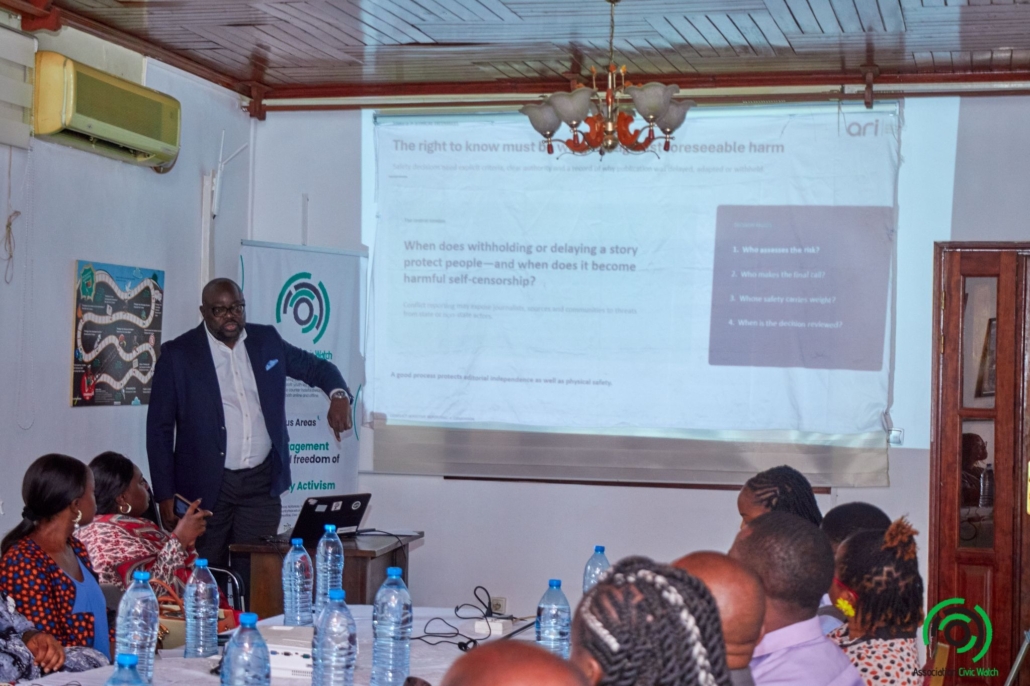
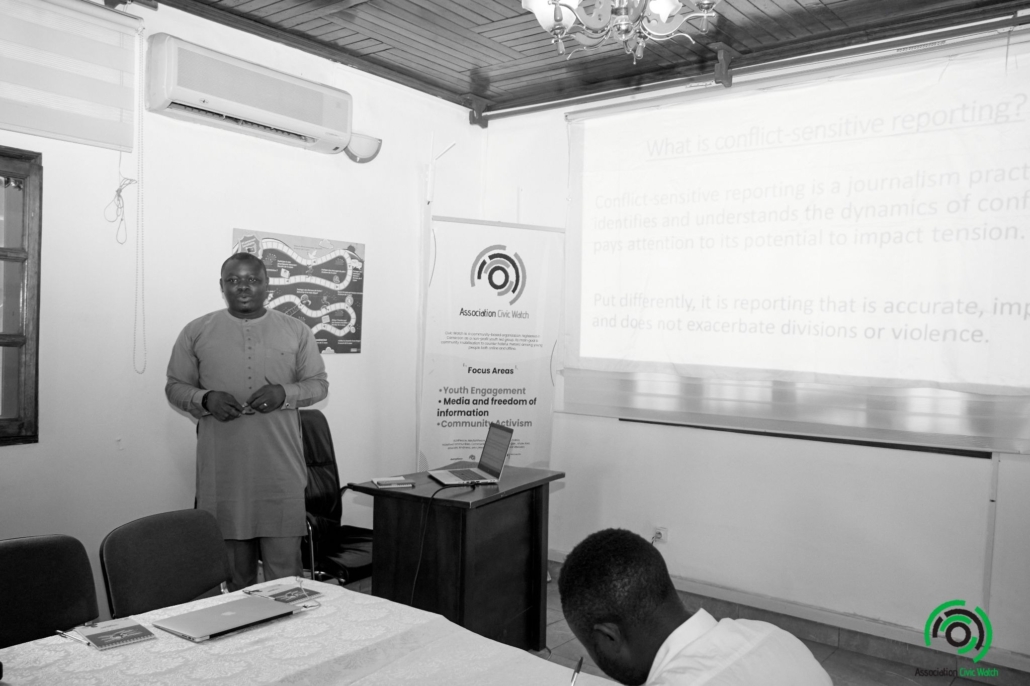
Conflict-sensitive reporting handled on days 1 and 2 by Eugene Nforngwa and Amindeh Blaise Atabong, respectively on the topic “Ethical Rights-Based and Conflict Sensitive Reporting to Counter Hate Speech and Discrimination” formed another pillar of the workshop’s approach to protecting civic space. Participants examined how irresponsible reporting can unintentionally fuel division, reinforce stereotypes, or escalate tensions within communities. Through practical case studies, they explored how careful verification, balanced reporting, contextualization, and the use of neutral language can reduce harm while strengthening public trust.
Eugene Nforngwa. Director, African Resilience Institute (ARI), presenting on Day 1
Nforngwa highlighted that “journalism should not merely describe conflict but should also contribute to informed public dialogue” and this was backed up by Amindeh who supported the claim stating that “by avoiding sensationalism and placing facts above emotion, journalists become active contributors to social cohesion and peaceful coexistence”.
Amindeh Blaise, Freelance Reporter/Editor facilitating on day 2
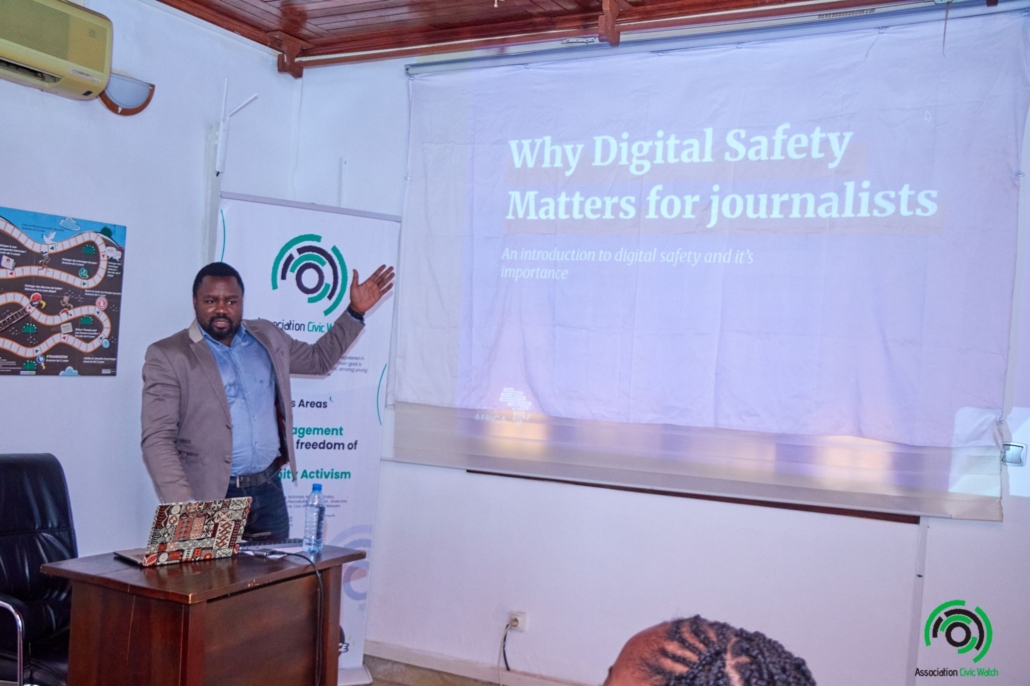
Recognizing that modern journalism increasingly operates in digital environments, Civic Watch placed significant emphasis on digital security as a fundamental requirement for press freedom. Participants explored the realities of online surveillance, identity theft, cyber harassment, and other digital threats that continue to target journalists and human rights defenders.
The workshop introduced practical measures that journalists can immediately adopt to protect themselves and their work. These included stronger password management, device security, protection of confidential sources, incident preparedness, and secure communication practices. Beyond technical knowledge, the sessions promoted a culture of prevention, encouraging journalists to view digital safety not as an optional skill but as an essential part of professional journalism.
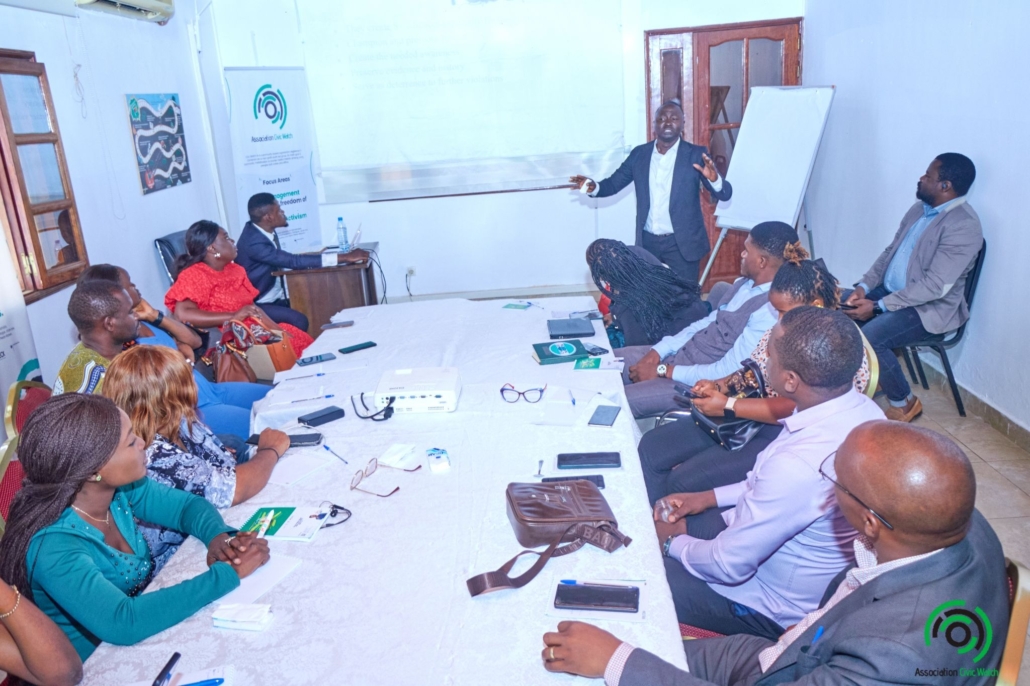
Cross-section of the participants during workshop
By strengthening digital resilience, the initiative contributes directly to creating safer digital spaces where journalists can investigate, communicate, and publish without unnecessary exposure to cyber threats.
The impact of the workshop extended beyond technical skills as participants left with a deeper understanding that protecting civic space is a shared responsibility requiring ethical journalism, respect for human rights, responsible use of technology, and collective action against discrimination, hate speech, and media repression. Bizel Bi-Mafor, one of the participants stated that “I now understand how to leverage technology to spot fake news early while ensuring my own reporting remains ethically sound and grounded in truth”. Judith Ndongo, another participant who sat through the workshop stated that “I now know how to report on human rights issues, which are one of the topics covered by my news website. I also have a better understanding of my responsibility when sharing information during times of crisis, especially the need to always consider the impact that a piece of information could have before publishing it”. The workshop was an eye opener as another participant,Victor Bertinot Sigha, said “As a culture, economic and human interest reporter, I learned through the workshop that I really didn’t know much on digital rights and my rights as a journalist. It was enriching”.
The interactive nature of the sessions encouraged journalists to share experiences, exchange practical solutions, and strengthen professional networks that can provide support long after the workshop concluded.
As digital technologies continue to reshape the information landscape, initiatives like this demonstrate that the future of journalism depends not on how quickly information is published, but on how responsibly it is produced. By empowering journalists to use artificial intelligence ethically, document human rights violations effectively, report conflicts responsibly, and strengthen their digital security, Civic Watch is contributing to a more resilient media ecosystem where truth prevails over manipulation, rights are defended, and civic space remains open for everyone.
Photo of Participants & Facilitators, Day 2
In a time when press freedom faces mounting pressure and digital threats continue to evolve, investing in journalists is ultimately an investment in democracy itself. Through knowledge, ethical practice, and collective action, Civic Watch is helping build a future where technology serves the public interest, human rights are protected, and journalists can carry out their essential role safely, independently, and with integrity.
https://civicwatch.cm/wp-content/uploads/2026/08/image-6.jpeg13652048adminhttps://civicwatch.cm/wp-content/uploads/2021/11/Civic-Watch-e1652454008816-1030x249.pngadmin2026-08-04 11:53:162026-08-04 11:53:17Civic Watch Equips Journalists to Document Human Rights, Promote Ethical AI, and Build Safer Digital Spaces
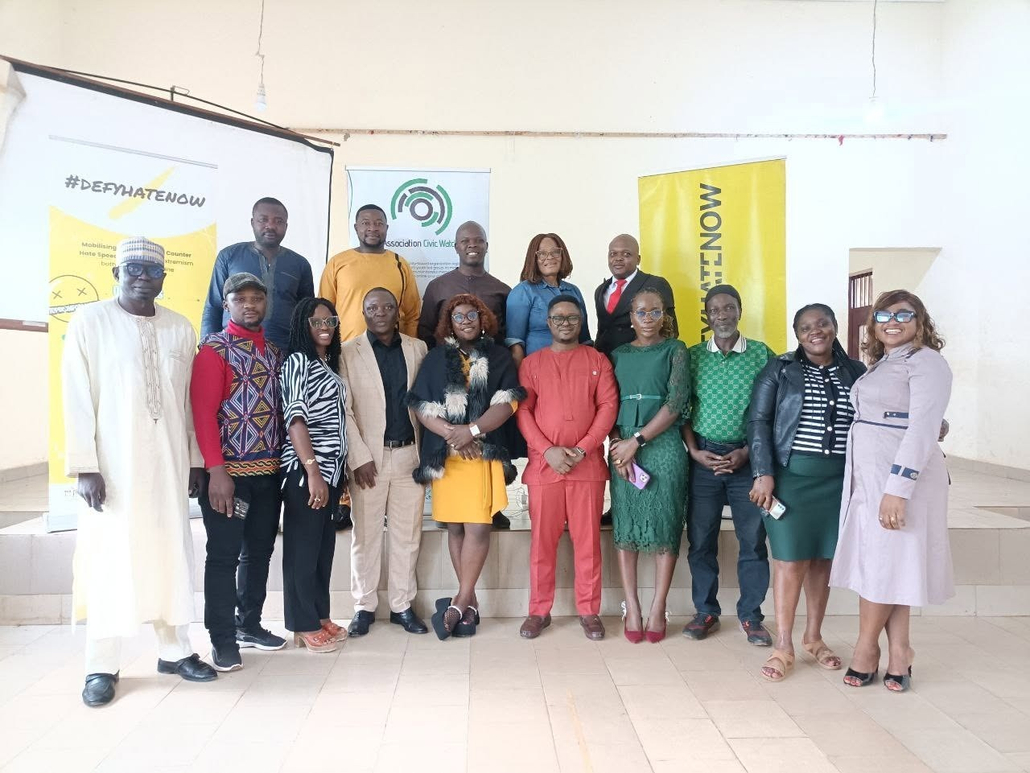
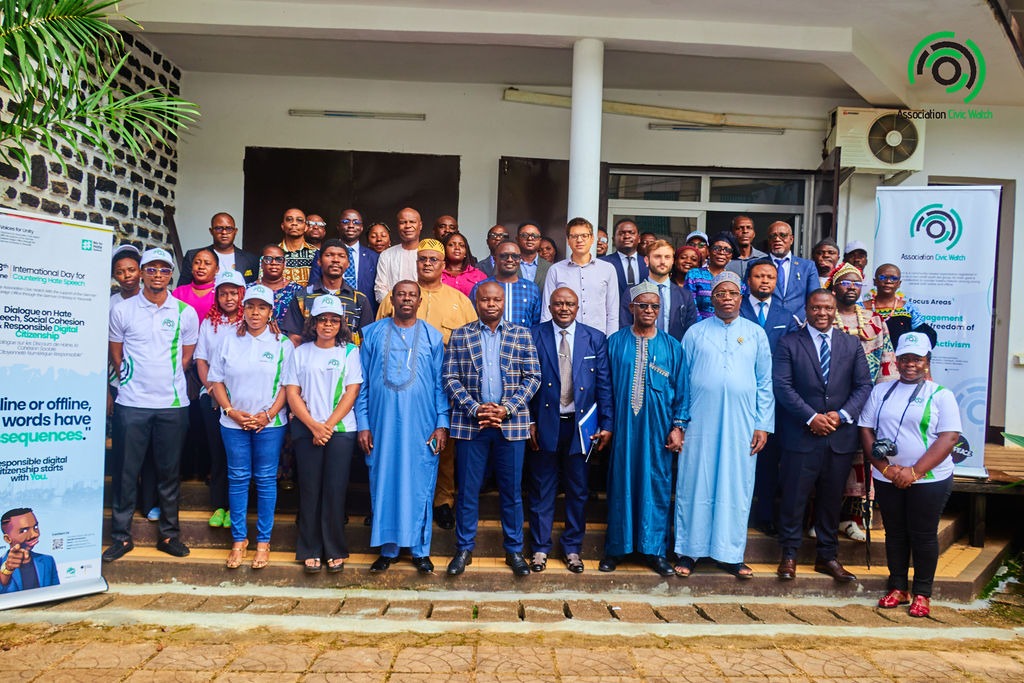
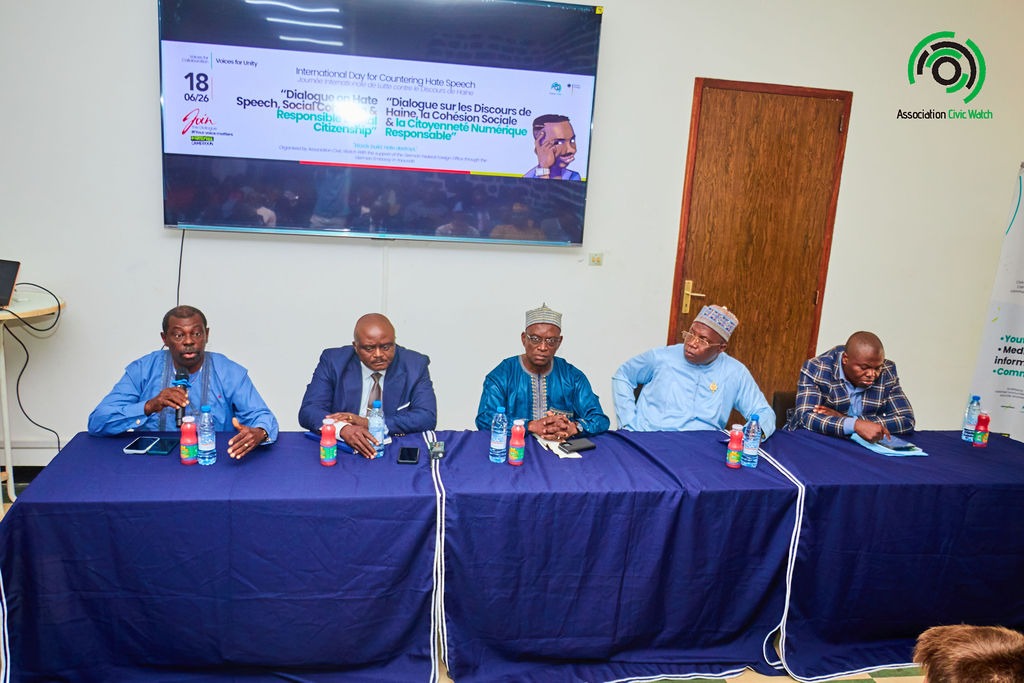
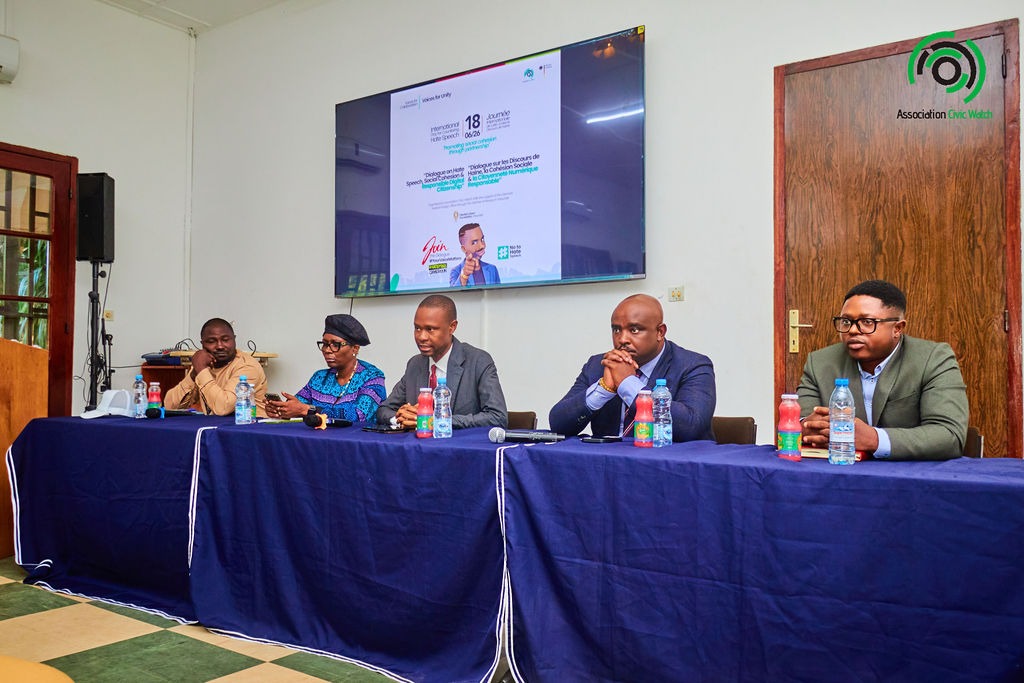
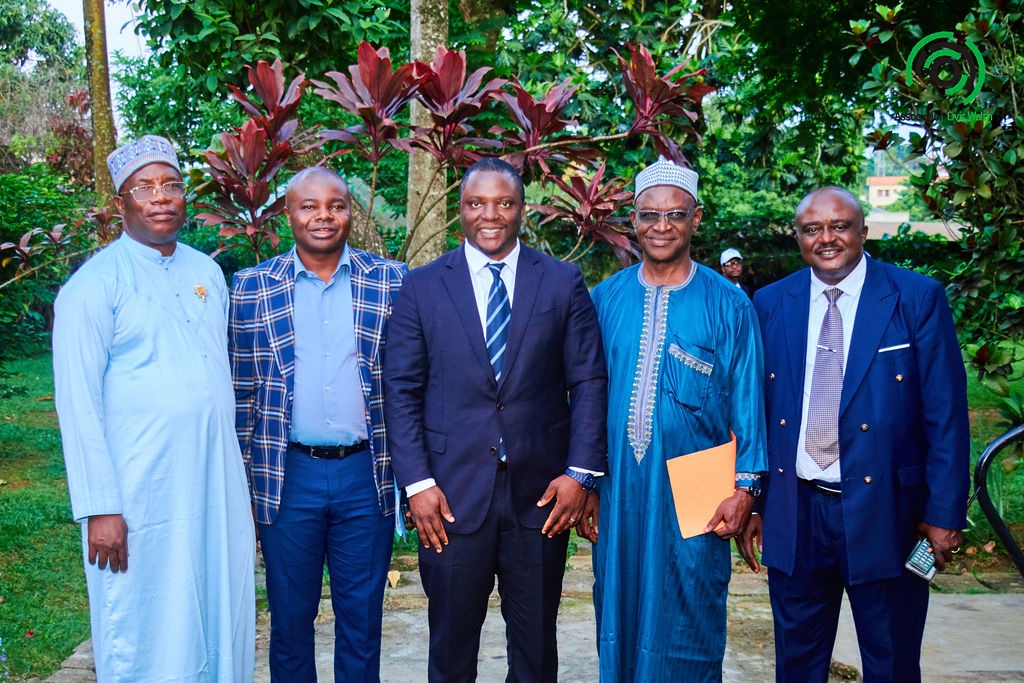
Group picture with stakeholders & participants on International Day to Counter Hate Speech
Hate speech, toxic narratives, and identity based tensions have continued to threaten social cohesion in Cameroon. Civic Watch has once again positioned itself as a catalyst for dialogue and democratic resilience.
On Thursday, June 18, 2026, the Civic Watch convened a high level national dialogue at the Friedrich Ebert Foundation in Yaoundé to mark the International Day for Countering Hate Speech. Held under the global theme, “The Power of Partnerships in Countering Hate Speech.” The event brought together an unprecedented range of stakeholders including government Officials, Mr Denise Mbezele (CNC), Mr Bitchoka Alexandre (MINJEC), Mr Massembe Cedric (SG/CNJC), Diplomatic Representatives – Mr Stean Auguste Tshiband (Peace and Development Adviser, UNRC Cameroon), Welc Henry (French Embassy) Members of Parliament – Hons Agho Oliver (MP for Tubah/Bafut), Awutah Phillip Atubah (Momo West), Yaya Doumba Marius (Mbere), Koupit Adamou (Noun Centre) and Njume Peter Ambang (Ndian) and Civil Society Organizations- PROTEGE QV and Paradigm Initiative represented by Daho Serge and Giyo Ndzi respectively, traditional ruler Fon of Mbengwi- Njokem Adino, journalists, academics, and youth representatives.
The dialogue sought to address the growing impact of hate speech and misinformation while identifying practical, collaborative solutions to strengthen national unity and promote responsible digital citizenship.
A Shared Call for Collective Action
The representative of the German Federal Foreign Office, Gregor Munch, and the Office of the United Nations Resident Coordinator in Cameroon represented by Sean Auguste Tshiband insisted on the need for a coordinated response
Denise Mbezele (representative of CNC), Gregor Munch (representative of the German Federal Foreign Office), Mr Sean Auguste Tshiband (Peace and Development Adviser, UNRC Cameroon)
Gregor Munch stressed that “hate speech has become a growing threat across all sectors of society and no single institution can effectively address it alone.” Adding to this, Sean Auguste Tshiband called for “stronger partnerships between government, civil society, the media, communities, and international partners to build a more peaceful and inclusive society.
Parliament Calls for Stronger Enforcement of Existing Laws
In a panel discussion, Hon Njume Peter highlighted the direct relationship between the spread of misinformation, hate speech, and the escalation of socio-political tensions, particularly in the North West and South West regions.
Members of Parliament from right to left – Hon Agho Oliver (MP for Tubah/Bafut), Hon Awutah Phillip Atubah (Momo West), Hon Yaya Doumba Marius (Mbere), Hon Koupit Adamou (Noun Centre) and Hon Njume Peter Ambang (Ndian)
Hon Awutah noted that Cameroon already has legal provisions to address hate speech and related offences, but emphasized that these laws must be applied consistently and effectively. Supporting this claim, Hon Koupit argued that “stronger enforcement and appropriate sanctions would help deter those who deliberately promote hatred and division.”
Hon Yaya, also underscored the importance of civic education, reminding citizens that understanding the law is essential for responsible participation in both physical and digital spaces.
Government Institutions Advocate Prevention and Responsible Communication
Complementing the legislative perspective, government institutions and regulatory bodies presented strategies focused on prevention, public engagement, and responsible communication.
The Ministry of Youth Affairs and Civic Education (MINJEC) represented by Mr Bitchoka Alexandre highlighted its efforts to promote dialogue among communities through intercultural exchanges that allow citizens to express their concerns while fostering mutual understanding. The ministry also emphasized mechanisms for reporting harmful content online and offline.
The National Communication Council (NCC) represented by Mr Denise Mbzele, reaffirmed its commitment to upholding professional journalism standards. It stressed that media freedom must always be exercised responsibly and announced its continued application of sanctions against journalists and media outlets that promote hate speech, incitement, or sensationalism.
Empowering Young People as Agents of Positive Change
Recognizing that young people are both among the most affected by online misinformation and one of the most influential groups shaping digital conversations, the National Youth Council of Cameroon presented its nationwide strategy for countering hate speech.
With a network of approximately 14,000 youth organizations across all ten regions of Cameroon, the Council outlined plans to strengthen young people’s ability to identify and report harmful online content while promoting positive counter-narratives.
The strategy also integrates sports, cultural activities, and community engagement as practical tools to strengthen social cohesion and encourage peaceful coexistence among young people.
Civil Society, Traditional Leaders, and the Media as Guardians of Social Cohesion
From right to left: Sakah Bernard (Swiss Peace) Viban Jude (National President CAMASEJ) Charles Ebune (Journalist at CRTV) Barrister Dorcas (Bar Association) Dr Kinang Derick (Peacebuilding Consultant)HRM Fon Njokem Adino (Fon of Mbengwi)
The final session focused on the critical role of civil society organizations, journalists, and traditional authorities in safeguarding truth, accountability, and peaceful coexistence.
Participants agreed that combating hate speech requires a renewed commitment to ethical communication. Journalists were encouraged to uphold the highest standards of accuracy, verification, and responsible reporting, resisting the temptation of sensationalism. Traditional leaders were equally recognized for their influence in promoting dialogue, resolving local conflicts, and reinforcing values of respect and unity within their communities.
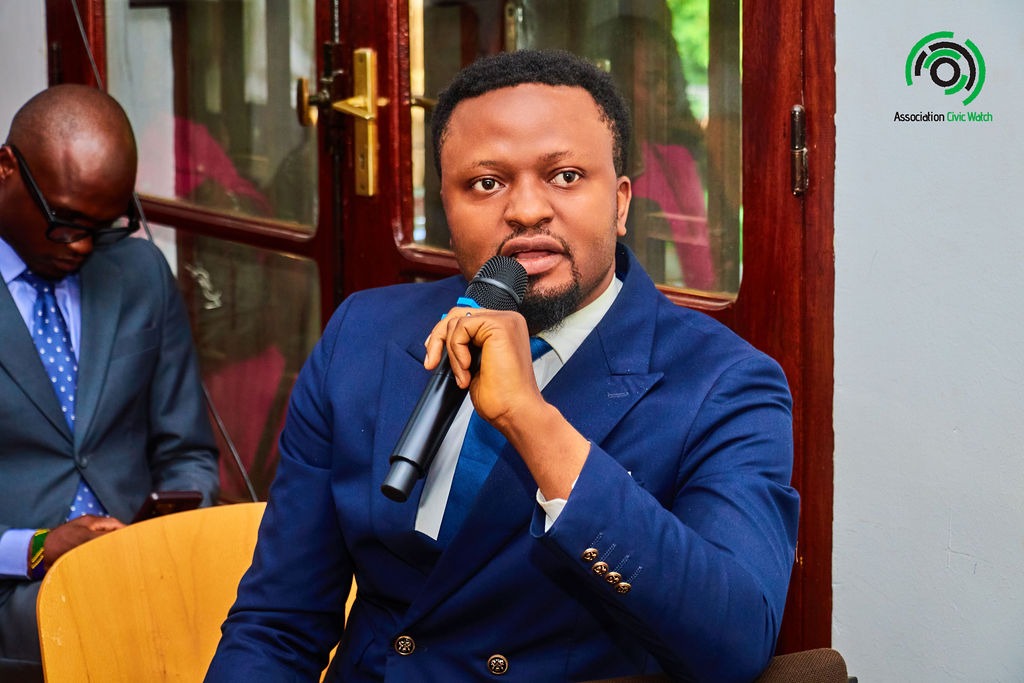
Participant during Question and Answer session
Recommendations
The panel discussions underscored that building a safer civic space requires a collective commitment from government institutions, media professionals, civil society, and citizens. A key recommendation from Hon. Awuntah was the need for sustained public sensitization on hate speech. He emphasized that ignorance of the law does not exempt anyone from accountability, making continuous public education essential to preventing harmful online and offline behavior. The panel also stressed that responsible digital citizenship begins with individual actions. Every citizen has a role to play in promoting respectful dialogue, verifying information before sharing it, and ensuring that the exercise of freedom of expression does not infringe on the rights and dignity of others.
Hon. Agho further recommended that citizens become familiar with the legal framework governing hate speech and misinformation in Cameroon. Greater awareness of these laws, he noted, would encourage responsible engagement in both physical and digital spaces while reinforcing accountability for harmful conduct.
Representatives from key government institutions outlined ongoing initiatives that contribute to a safer and more inclusive civic space. The Ministry of Youth Affairs and Civic Education (MINJEC) highlighted the establishment of reporting platforms for hate speech and the creation of the Living Together Hub, a community dialogue initiative that brings together people from different ethnic and social backgrounds to express their concerns, foster mutual understanding, and strengthen social cohesion.
The National Civic and Citizenship Council (CNJC) presented several recommendations centered on youth engagement. These included expanding awareness campaigns on the dangers of hate speech, strengthening the capacities of trained youth to identify and report incidents, and scaling community-based initiatives through the creation of over 14,000 organizations across all ten regions of Cameroon. The Council also emphasized the importance of promoting counter-speech by equipping young people to spread positive narratives, organizing sports and recreational activities that encourage interaction across diverse communities, and advocating for stronger respect for and enforcement of existing laws against hate speech.
The National Communication Council (CNC) emphasized the critical responsibility of the media in safeguarding civic space. It highlighted the need for journalists and media organizations to uphold professional ethics by avoiding the dissemination of misinformation and hate speech. The Council reiterated that media professionals and outlets found violating these standards may face sanctions, while also reminding participants of the legal provisions already in place to address hate speech and misinformation. These measures reinforce the media’s role as a key actor in promoting accurate information, peaceful dialogue, and social cohesion.
Collectively, the recommendations from the panel called for a whole-of-society approach to protecting civic space. Through stronger public awareness, responsible digital citizenship, youth engagement, ethical media practices, effective reporting mechanisms, and consistent enforcement of existing laws, Cameroon can foster a safer, more inclusive environment where fundamental rights and freedoms are protected both online and offline.
Building a Lasting Coalition for Peace
Beyond the recommendations adopted during the dialogue, the event demonstrated the value of bringing together institutions and actors that rarely share the same platform. The participation of legislators, government regulators, diplomats, United Nations representatives, civil society organizations, media professionals, traditional authorities, youth leaders, and citizens reflected a shared recognition that addressing hate speech requires coordinated action across every sector of society.
Members of Parliament with Ngala Desmond (middle), President of Civic Watch
The discussions illustrated that effective responses must combine strong legal enforcement, preventive education, ethical journalism, youth engagement, community leadership, and sustained multi stakeholder collaboration.
By creating this platform for open dialogue, Civic Watch and its partners demonstrated that collective action remains one of the strongest tools for protecting democratic values, strengthening responsible digital citizenship, and preserving national cohesion.
As harmful narratives continue to evolve across both online and offline spaces, initiatives such as this serve as an important reminder that lasting peace is built not only through institutions, but also through partnerships grounded in trust, accountability, and shared responsibility. Through sustained collaboration, Cameroon can continue laying the foundation for a more united, informed, and resilient society.
https://civicwatch.cm/wp-content/uploads/2026/08/image-5.jpeg6831024adminhttps://civicwatch.cm/wp-content/uploads/2021/11/Civic-Watch-e1652454008816-1030x249.pngadmin2026-08-04 11:41:432026-08-04 11:43:07How Civic Watch Is Building Collective Solutions to Hate Speech Through Dialogue
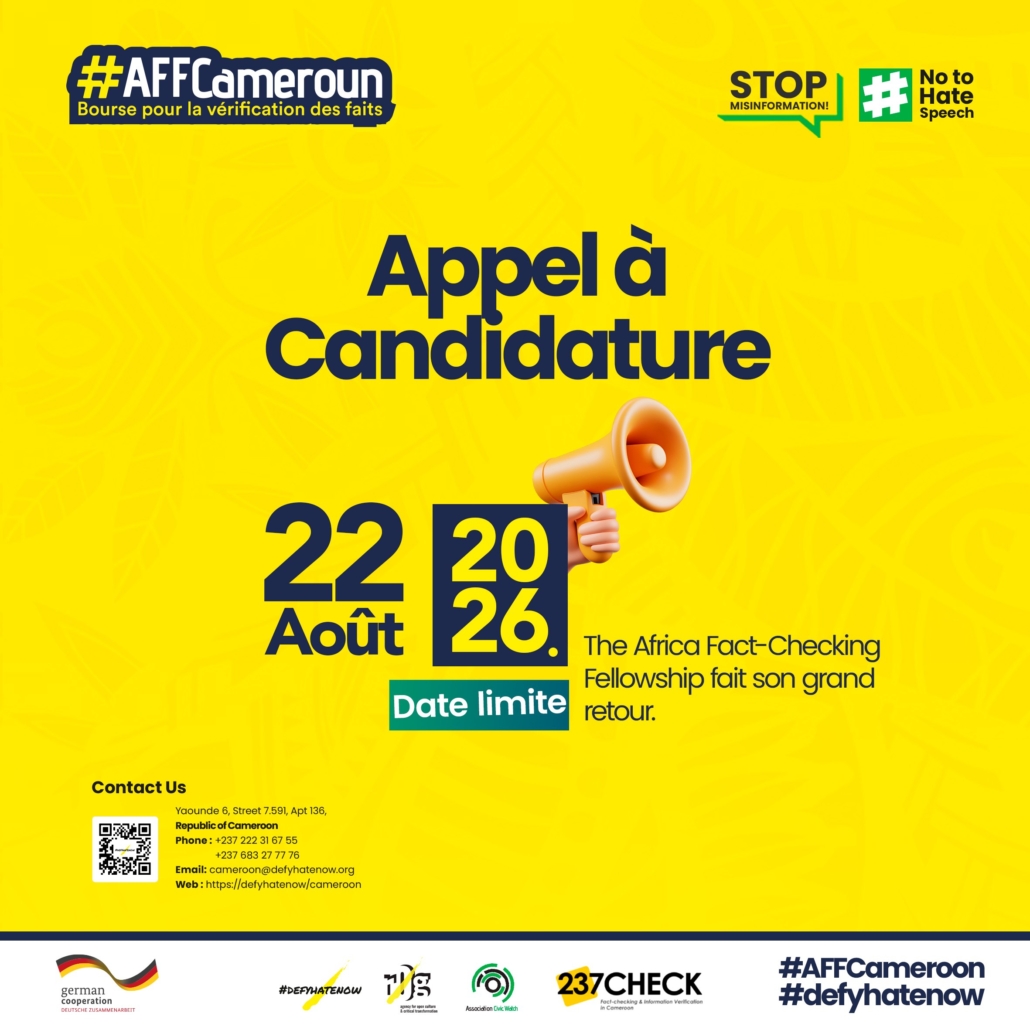
La Bourse de vérification des faits pour le Cameroun, plus connue sous son acronyme anglais Africa Fact-Checking Fellowship – #AFFCameroon, un programme phare de r0g_agency et Civic Watch, cherche à renforcer l’écosystème de l’information du Cameroun en construisant un réseau de vérificateurs de faits formés et de défenseurs de l’intégrité de l’information dans les limites du projet : Protéger l’espace civique en ligne et hors ligne : contrer la haine, la discrimination et la répression des médias. Dans le contexte de la désinformation, des discours haineux, de la manipulation générée par l’IA et de la manipulation et de l’interférence de l’information étrangère (FIMI), contribuant de plus en plus à une augmentation des politiques et des actions intentionnelles, réduisant ainsi l’espace civique et réduisant au silence les voix critiques, maintenant des idéaux comme la démocratie et la bonne gouvernance sous une menace constante. Ainsi, le besoin urgent d’efforts qui assurent la vérification et l’intégrité de l’information par le biais de la Bourse africaine de vérification des faits au Cameroun, afin d’assurer la promotion et la protection des processus démocratiques et de la liberté d’expression ; conditions préalables à une société pacifique. En d’autres termes, la bourse vise à doter les boursiers d’outils pratiques pour répondre aux menaces numériques en constante évolution, avec un accent particulier mis sur les troubles de l’information liés aux élections, où les faux récits, les deepfakes, la propagande et les campagnes d’influence coordonnées menacent de plus en plus la paix, la participation démocratique et la cohésion sociale.
2. À propos du programme de bourses
La Africa Fact-Checking Fellowship Cameroon – #AFFCameroon est une initiative s’inscrivant dans le cadre du projet « Protéger l’espace civique en ligne et hors ligne : lutter contre la haine, la discrimination et la répression des médias » mené conjointement par r0g_agency et Civic Watch, dont les objectifs sont les suivants :
Recruter et former un groupe de boursiers capables de détecter, de vérifier et de contrer les informations préjudiciables en ligne et hors ligne.
Renforcer les capacités locales à répondre aux opérations de désinformation et aux campagnes d’influence coordonnées (FIMI) ciblant l’espace civique et politique camerounais, tout en intégrant un réseau national de vérificateurs de faits émergents.
Promouvoir l’intégrité de l’information grâce à une vérification fondée sur des preuves et à un partage responsable de l’information.
Construire un réseau durable de vérificateurs de faits issus des communautés, servant de relais d’information fiables.
Améliorer la préparation face à la désinformation liée aux élections et à la manipulation par l’intelligence artificielle.
Ces objectifs s’inscrivent dans le cadre du programme de bourses, qui prévoit que les boursiers sélectionnés suivent une formation de trois mois, à l’issue de laquelle ils sont affectés à des thèmes clés, avec des missions bien définies portant notamment sur le suivi et l’analyse du FIMI, l’intégrité et la vérification de l’information, la vérification des faits au sein des communautés, etc. :
A. Surveillance et analyse FIMI
Surveiller les opérations d’influence étrangères et nationales ayant un impact sur le débat public.
Détecter les comportements non authentiques coordonnés sur les plateformes numériques.
Suivre les discours de propagande, l’activité des trolls, l’amplification par les bots et les réseaux d’influence.
Analyser les discours géopolitiques influençant les processus électoraux ou civiques.
B. Intégrité et vérification de l’information
Identifier les tendances en matière de mésinformation, de désinformation et de malinformation.
Procéder à la vérification des allégations à l’aide de l’OSINT et de méthodologies de vérification des faits.
Produire des rapports de vérification des faits fondés sur des preuves.
Soutenir la correction des discours et la sensibilisation du public.
C. Vérification des faits au niveau communautaire
Mettre en place des mécanismes de vérification participatifs au sein des communautés.
Impliquer les dirigeants locaux, les groupes de jeunes, les acteurs des médias et la société civile.
Vérifier les rumeurs virales provenant de WhatsApp, Facebook, TikTok et des espaces communautaires.
Promouvoir la vérification des faits en plusieurs langues (anglais, français, pidgin et langues locales lorsque cela est possible).
D. IA et menaces numériques émergentes
Appliquer des stratégies préventives de gestion des menaces, notamment le « pre-bunking » (démystification préventive), afin d’anticiper, de contrecarrer et de renforcer la résilience du public face aux informations fausses et manipulées avant qu’elles ne se propagent.
Détecter les contenus synthétiques générés par l’IA, notamment les deepfakes, les enregistrements audio clonés et les images manipulées.
Utiliser de manière responsable les outils de vérification assistés par l’IA.
Comprendre les risques liés à l’amplification algorithmique et aux « hallucinations » de l’IA.
Explorer l’utilisation éthique de l’IA pour accélérer les processus de vérification.
E. Surveillance de l’intégrité électorale
Suivre les fausses allégations et les discours manipulateurs liés aux élections.
Surveiller les discours de haine et les incitations à la violence pendant les cycles électoraux.
Vérifier les discours politiques, les allégations de campagne et les contenus électoraux.
Contribuer au bon déroulement pacifique des élections grâce à une vérification rapide.
3. Rôles et responsabilités du boursier
Les principales responsabilités des boursiers sélectionnés seront les suivantes :
Participer pleinement à toutes les sessions de formation et activités de mentorat.
Produire régulièrement des résultats de vérification des faits et des rapports de vérification.
Surveiller les plateformes numériques et les communautés qui leur sont attribuées.
Signaler les menaces émergentes liées à la désinformation.
Contribuer à la surveillance électorale et aux efforts d’intervention rapide.
Participer à des enquêtes collaboratives et à l’apprentissage entre pairs.
Respecter l’éthique éditoriale, la neutralité, la transparence et faire preuve d’impartialité politique.
Ces efforts aboutiront à la réalisation de livrables clairement définis, à savoir :
Rapports de vérification des faits validés
Notes hebdomadaires sur les tendances en matière de désinformation/FIMI
Alertes de vérification au sein des communautés
Rapports de surveillance de la désinformation électorale
Études de cas sur les menaces liées à l’IA
Contenus de « pre-bunking » et d’« inoculation », comprenant des messages anticipatifs, des explicatifs et des conseils destinés au public, conçus pour renforcer la résilience face aux nouveaux discours de désinformation avant qu’ils ne gagnent en popularité.
Contenus de sensibilisation du public et d’éducation aux médias visant à promouvoir une participation civique éclairée et un partage responsable de l’information.
4. Critères de sélection
La sélection des boursiers est très compétitive et repose en premier lieu sur l’excellence, dans la mesure où le candidat répond aux critères d’éligibilité énoncés, qui prévoient les profils suivants :
Journalistes ou formateurs aux médias
Blogueurs ou créateurs de contenu
Acteurs de la technologie civique
Défenseurs des droits humains/numériques
Chercheurs / praticiens de l’OSINT
Leaders communautaires ou leaders de jeunes
Étudiants en dernière année
Observateurs électoraux ou personnels juridiques
Résider dans la région du Nord-Ouest, de l’Ouest, du Sud-Ouest, du Littoral ou du Centre
Outre les critères d’éligibilité mentionnés, les candidats doivent :
Faire preuve d’un vif intérêt pour la vérification des faits et les droits numériques
Posséder des compétences numériques de base
Accepter la diversité et faire preuve d’impartialité politique
Être actifs en ligne ou au sein de leurs communautés
S’engager à partager l’information de manière éthique et
Être disponibles pendant toute la durée de la bourse
5. Compétences requises (souhaitées)
Les candidats au programme de bourses Africa Fact-Checking Fellowship – #AFFCameroon doivent posséder les compétences suivantes :
Expérience en vérification des faits
Compétences en OSINT
Compétences en recherche et en analyse
Veille des réseaux sociaux
Rédaction et communication
Connaissances en IA (des connaissances de base constituent un atout)
6. Durée
La durée du programme est prévue pour trois (3) mois (apprentissage mixte + déploiement sur le terrain) de participation active des boursiers, garantissant la réalisation des livrables respectifs du programme.
7. Rapports
Les boursiers sont tenus de rendre compte à l’équipe de coordination du programme #AFFCameroon, sous la supervision technique des formateurs principaux, des spécialistes du suivi OSINT/FIMI et des experts en IA et en vérification des données, tout au long du programme de bourse.
8. Avantages
À l’issue de la formation, les candidats devraient avoir bénéficié, entre autres, des avantages suivants du programme :
Acquérir de l’expérience en matière de vérification de l’information et de vérification des faits
Rejoindre un réseau national de vérificateurs de faits émergents
Acquérir des connaissances sur la manière de répondre aux menaces liées à l’information électorale
Découvrir une plateforme permettant de publier les articles de vérification des faits rédigés
Accéder à des opportunités existantes dans le domaine de la vérification des faits
9. Impact attendu
À l’issue de chaque promotion du programme Africa Fact-Checking Fellowship Cameroon – #AFFCameroon, il est nécessaire d’atteindre un impact attendu qui se traduit par :
Une résilience accrue face à la désinformation et au FIMI
Des réseaux communautaires de vérification plus solides
Une meilleure préparation face aux menaces liées à l’information électorale
Une confiance accrue du public dans les informations crédibles
Un écosystème national élargi de défenseurs de l’intégrité de l’information
10. Conditions de candidature
Les candidats intéressés doivent soumettre un dossier de candidature complet comprenant les documents suivants :
Un curriculum vitae (CV) mettant en avant les diplômes pertinents, l’expérience professionnelle et toute activité liée au journalisme, à la vérification des faits, aux droits numériques, à l’OSINT, aux médias, à la recherche, à l’engagement civique ou à l’intégrité de l’information.
Des justificatifs de travaux de vérification des faits antérieurs, pouvant inclure :
Des articles de vérification des faits publiés ;
Des rapports de vérification ;
Des publications d’investigation ou d’analyse ;
Des enquêtes OSINT ;
Des contenus médiatiques pertinents démontrant des compétences en matière de vérification.
Les candidats n’ayant pas publié de vérifications des faits au préalable peuvent fournir d’autres justificatifs démontrant de solides capacités de recherche, de vérification ou d’analyse.
Une proposition de projet de vérification des faits (300 mots maximum) décrivant :
Un problème lié à la mésinformation, à la désinformation, à la manipulation générée par l’IA ou au FIMI touchant le Cameroun ou leur communauté ;
Pourquoi cette question est importante ;
Comment ils mèneront leur enquête et vérifieront cette question ;
La valeur publique ou l’impact attendu du projet de vérification des faits proposé.
Les candidats peuvent joindre une lettre de recommandation émanant d’un établissement universitaire, d’un employeur, d’un organe de presse, d’une organisation de la société civile ou d’un responsable communautaire, attestant de l’intégrité, du professionnalisme et de l’aptitude du candidat à bénéficier de la bourse. Bien qu’elle ne soit pas obligatoire, une lettre de recommandation constituera un atout lors du processus de sélection.
Les dossiers de candidature complets doivent être envoyés à info@civicwatch.cm / cameroon@defyhatenow.org avant le 22 août 2026 à 23h59 (heure d’Afrique de l’Ouest). Tous les documents doivent être nommés conformément et l’objet du mail indiqué comme suit : « Candidature AFFCameroon_Votre Nom_2026 ».
11. Contrat et rémunération
Les candidats retenus pour le programme de bourses seront engagés par Civic Watch pour une durée de trois (3) mois au cours de la période de la promotion, afin de garantir la réalisation des livrables définis. La bourse comprendra une allocation mensuelle ou trimestrielle ainsi que la prise en charge des frais logistiques nécessaires pendant la durée de la promotion.
Pour plus d’informations, contactez-nous à l’adresse suivante : info@civicwatch.cm
https://civicwatch.cm/wp-content/uploads/2026/08/photo_2026-08-10_13-06-48.jpg23622362adminhttps://civicwatch.cm/wp-content/uploads/2021/11/Civic-Watch-e1652454008816-1030x249.pngadmin2026-08-04 08:27:002026-08-17 16:58:38Appel à candidatures : Bourse #AFFCameroon – Saison 2, Promotion I, 2026
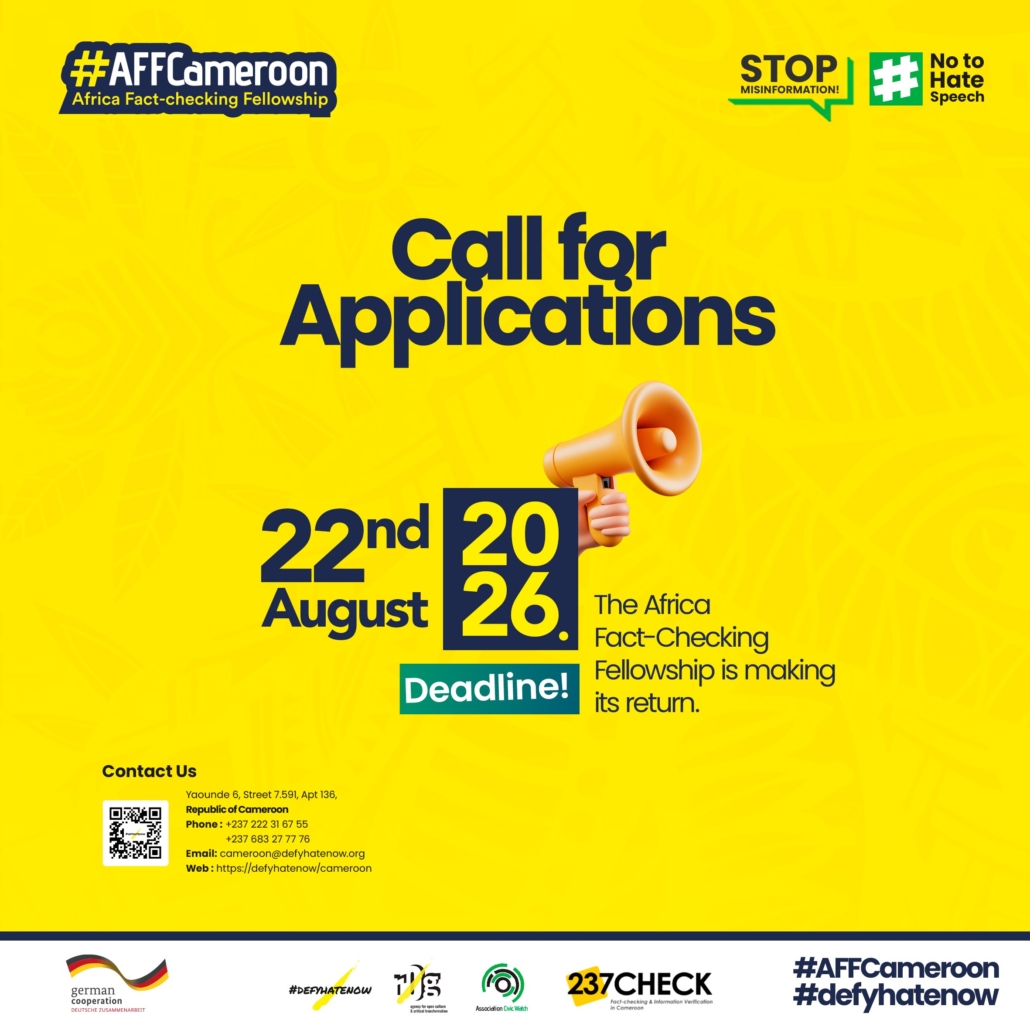
The Africa Factchecking Fellowship Cameroon – #AFFCameroon is a flagship program of r0g_agency and Civic Watch, which seeks to strengthen Cameroon’s information ecosystem by building a network of trained fact-checkers and information integrity defenders within the confines of the project: Protecting Civic Space Online and Offline: Countering Hate, Discrimination and Media Repression. In the context of increasing misinformation, disinformation, hate speech, AI-generated manipulation, and Foreign Information Manipulation and Interference (FIMI), increasingly contributing to a surge in intentional policies and actions, shrinking civic space and silencing critical voices, keeps ideals like democracy and good governance under constant threat. Thus, the urgent need for efforts that ensures information verification and integrity through the Africa Fact-Checking Fellowship in Cameroon, to ensure the promotion and protection of democratic processes and freedom of expression; prerequisites for a peaceful society. The fellowship in other words, aims at equipping fellows with practical tools to respond to evolving digital threats with special emphasis placed on elections-related information disorders, where false narratives, deep-fakes, propaganda, and coordinated influence campaigns increasingly threaten peace, democratic participation, and social cohesion.
2. About the Fellowship
The Africa Fact-Checking Fellowship – #AFFCameroon is an initiative within the “Protecting Civic Space Online and Offline: Countering Hate, Discrimination and Media Repression” joint project by r0g_agency and Civic Watch aimed at:
Recruiting and training a cohort of fellows capable of detecting, verifying, and countering harmful information online and offline.
Strengthening local capacity to respond to FIMI operations and coordinated influence campaigns targeting Cameroon’s civic and political space while joining a national network of emerging fact-checkers.
Promoting information integrity through evidence-based verification and responsible information sharing.
Building a sustainable network of community-based fact-checkers serving as trusted information relays.
Improving preparedness for election-related disinformation and AI-enabled manipulation.
These objectives, ties with the scope of the fellowship which centers around the selected fellows undergoing training for a period of three (3) months and upon completion are deployed to work on key thematic, with well-defined tasks around FIMI Monitoring and analysis, Information integrity and verification, community fact checking and more:
A. FIMI Monitoring & Analysis
Monitor foreign and domestic influence operations affecting public discourse.
Detects coordinated inauthentic behavior across digital platforms.
Track propaganda narratives, troll activity, bot amplification, and influence networks.
Analyze geopolitical narratives influencing electoral or civic processes.
B. Information Integrity & Verification
Identify misinformation, disinformation, and malinformation trends.
Conduct claim verification using OSINT and fact-checking methodologies.
Produce evidence-based fact-checking reports.
Support narrative correction and public awareness.
C. Community Fact-Checking
Establish grassroots verification mechanisms within communities.
Engage local leaders, youth groups, media actors, and civil society.
Verify viral rumors originating from WhatsApp, Facebook, TikTok, and community spaces.
Promote multilingual fact-checking (English, French, Pidgin, local languages where possible).
D. AI and Emerging Digital Threats
Apply preventive threat management strategies, including pre-bunking (pre-emptive debunking), to anticipate, disrupt, and build public resilience against false and manipulated information before it spreads.
Detects AI-generated synthetic media including deep-fakes, cloned audio, and manipulated visuals.
Use AI-assisted verification tools responsibly.
Understand risks of algorithmic amplification and AI hallucinations.
Explore ethical use of AI for faster verification workflows.
E. Elections Integrity Monitoring
Track election-related false claims and manipulative narratives.
Monitor hate speech and incitement during electoral cycles.
Verify political speeches, campaign claims, and electoral content.
Support peaceful elections through rapid-response verification.
3. Roles and Responsibilities of the Fellow
The key responsibilities of the selected Fellows will be to:
Participate fully in all training sessions and mentorship activities.
Produce regular fact-checking outputs and verification reports.
Monitor assigned digital platforms and communities.
Submit alerts on emerging misinformation threats.
Contribute to election monitoring and rapid response efforts.
Participate in collaborative investigations and peer learning.
Uphold editorial ethics, neutrality, transparency and be politically impartial.
These will culminate to the realization of well-defined deliverables which are:
Verified fact-checking reports
Weekly misinformation/FIMI trend briefs
Community verification alerts
Election misinformation monitoring reports
AI-threat case studies
Pre-bunking and inoculation content, including anticipatory messaging, explainers, and public guidance designed to build resilience against emerging misinformation narratives before they gain traction.
Public awareness and media literacy content to promote informed civic participation and responsible information sharing.
4. Selection Criteria
Fellowship selection is highly competitive and based in the first instance, on excellence in the context of the applicant meeting the stated eligibility criteria which expects candidates to be:
Journalists or media educators
Bloggers or content creators
Civic tech actors
Digital/Human rights defenders
Researchers / OSINT practitioners
Community leaders or youth advocates
Final year students
Election observers and legal practitioners
Be resident in the Northwest, West, Southwest, Littoral or Centre region
Added to the aforementioned eligibility criteria, applicants must:
Demonstrate strong interest in fact-checking and digital rights
Have basic digital literacy
Accept diversity and be politically impartial
Be active online or within communities
Be committed to ethical information sharing and
Be available for the full fellowship duration
5. Required Skills (Preferred)
Aspirants into the Africa Fact-Checking Fellowship – #AFFCameroon are expected to have the following skills:
Fact-checking / verification experience
OSINT skills
Research and analytical skills
Social media monitoring
Writing and communication
AI literacy (basic knowledge is an asset)
6. Duration
The Fellowship duration is expected to be 3 months (blended learning + field deployment) of active participation of the fellows ensuring the realization of the respective deliverables of the Fellowship.
7. Reporting
Fellows are expected to report to the #AFFCameroon Program Coordination Team with technical supervision from the Lead Trainers, OSINT/FIMI Monitoring Specialists, AI and Data Verification Experts throughout the Fellowship program.
8. Benefits
Applicants at the end of the fellowship are expected to have the following but not limited to the aforementioned benefits of the fellowship program:
Gain experience in information verification and fact checking
Join a national network of emerging fact-checkers
Gain knowledge on responding to election-related information threats
Exposed to a platform that can publish produced fact-checking articles
Open to existing opportunities in the domain of fact checking
9. Expected Impact
At the completion of each cohort within the Africa Fact-Checking Fellowship – #AFFCameroon program in Cameroon, fellows shall be expected to accomplish the following tasks:
Increased resilience against disinformation and FIMI
Stronger community verification networks
Better preparedness for election-related information threats
Improved public trust in credible information
Expanded national ecosystem of information integrity champions
10. Application Requirements
Interested applicants are required to submit a complete application comprising the following documents:
A Curriculum Vitae (CV) highlighting relevant academic qualifications, professional experience, and any work related to journalism, fact-checking, digital rights, OSINT, media, research, civic engagement, or information integrity.
Evidence of Previous Fact-Checking or Verification Work, which may include:
Published fact-checking articles;
Verification reports;
Investigative or analytical publications;
OSINT investigations;
Relevant media content demonstrating verification skills.
Applicants without prior published fact-checks may submit other evidence demonstrating strong research, verification, or analytical capabilities.
A Fact-Checking Project Pitch (maximum 300 words) outlining:
A misinformation, disinformation, AI-generated manipulation, or FIMI challenge affecting Cameroon or their community;
Why the issue is important;
How they would investigate and verify the issue;
The expected public value or impact of the proposed fact-checking project.
Applicants may submit one recommendation letter from an academic institution, employer, media organization, civil society organization, or community leader attesting to their integrity, professionalism, and suitability for the fellowship. While not mandatory, a recommendation letter will be considered an added value during the selection process.
Complete applications should be submitted to info@civicwatch.cm / cameroon@defyhatenow.org by August 22, 2026 at 23:59 WAT. All documents should be labelled accordingly with “Application AFFCameroon_Your Name_2026” in the subject line.
11. Contract and Remuneration
Successful candidates for the fellowship program will be contracted by Civic Watch for three (3) months within the cohort period to ensure the realization of the stated deliverables. The fellowship shall provide a monthly/quarterly stipend and other necessary logistics during the cohort period.
https://civicwatch.cm/wp-content/uploads/2026/08/photo_2026-08-10_13-06-54.jpg23622362adminhttps://civicwatch.cm/wp-content/uploads/2021/11/Civic-Watch-e1652454008816-1030x249.pngadmin2026-08-04 07:56:142026-08-17 16:59:29Call for Applications: #AFFCameroon Fellowship – Season 2, Cohort I, 2026
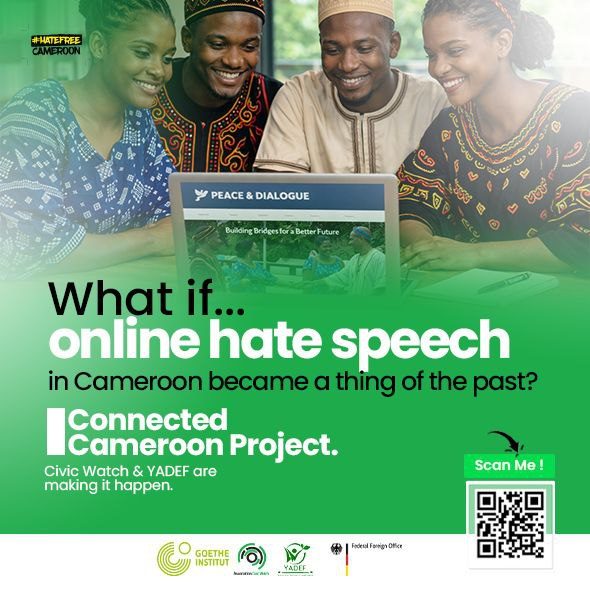
Technology has made the world more connected, and platforms like Facebook, WhatsApp, TikTok and LinkedIn allow people to share, learn and grow. At the same time, these spaces have also become places where hate speech, misinformation, cyberbullying and discrimination spread. Such harmful trends weaken trust and deepen divisions. Yet, young voices in Cameroon are using these same platforms to call for unity and promote a #HateFreeCameroon.
Civic Watch Association and Youth Actions for Development Foundation – YADEF are leading this effort through the Connected Camero/o(u)n Project, an initiative of the Goethe‑Institut Kamerun supported by the German Federal Ministry of Foreign Affairs. To mark the International Day for Countering Hate Speech, they will host an online webinar to empower young people to use their voices for peace and social cohesion.
The focus is not only on identifying problems but also on finding solutions. The webinar will equip digital users with practical tools to combat online vices. Youth leaders, civil society actors, digital rights advocates, peacebuilders, media professionals and content creators will share strategies for responsible digital citizenship, storytelling and advocacy. Participants will learn how to report harmful narratives and create safe online spaces that inspire dialogue and unity.
The expected outcome goes beyond awareness. Attendees will gain a clear understanding of the impact of hate speech and misinformation, and the roles they can play in countering them. This initiative aims to spark youth‑led campaigns and online movements that build inclusive digital communities.
These efforts show that while hate is real both online and offline, young people can lead change. Those who once spread division can become voices of peace. By turning digital platforms into tools for respect and cohesion, youth in Cameroon can bridge divides, challenge harmful stereotypes and build communities rooted in trust
https://civicwatch.cm/wp-content/uploads/2026/06/graphic.jpg23622362adminhttps://civicwatch.cm/wp-content/uploads/2021/11/Civic-Watch-e1652454008816-1030x249.pngadmin2026-06-16 06:38:582026-06-17 06:52:11Building Safe Digital Spaces in Cameroon
By MBEHNI Drusilla NANGE (Volunteer at Civic Watch)
In Cameroon today, misinformation and hate speech are no longer distant problems that people can ignore, as they are shaping how individuals think, how communities interact, and in some cases, how tensions grow. In regions already dealing with social and political pressure, the spread of false or harmful information can quietly break trust and weaken the bonds that hold communities together. This growing challenge is what Civic Watch, coordinated by Kanda Honourine, in partnership with the Youth Actions for Development Foundation (YADEF), by Ebong Lovert, is working to address.
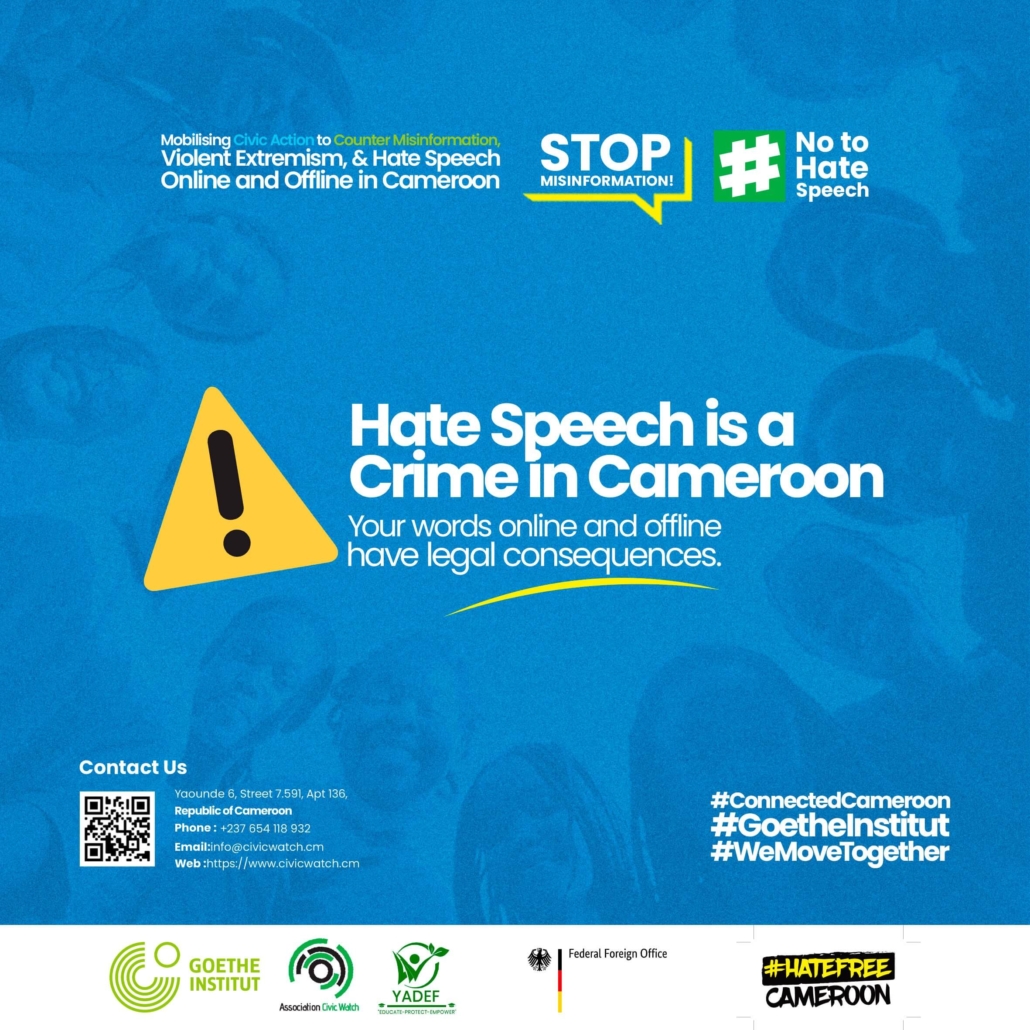
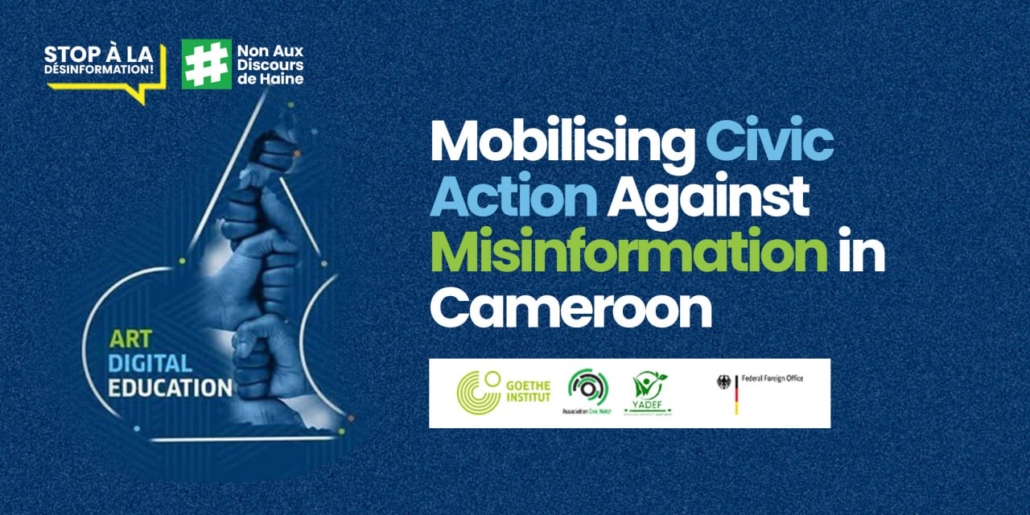
Through the project “Mobilising Civic Action to Counter Misinformation and Hate Online and Offline in Cameroon,” a new and practical approach is being introduced to help communities better understand information and engage with one another more responsibly. Supported by the Goethe-Institut Kamerun and the German Foreign Ministary under the Connected Camero(o/u)n initiative, the project brings together civil society actors who share a common goal of building stronger, more informed, and more connected communities.
At the center of this initiative is a clear idea that access to the right skills can make a real difference. When people are able to question what they see, verify information, and think carefully before sharing, they are less likely to fall for false narratives and more likely to contribute positively to society. However, these skills are not equally available to everyone, especially young people who are very active online but often lack structured guidance on how to navigate digital spaces safely and responsibly.
To respond to this need, the project will carry out a series of activities in the North West and South West regions, focusing on media literacy and digital safety. Through interactive workshops, young people will learn how to identify false information, understand online risks, and communicate in ways that are respectful and responsible. These sessions are designed not only to inform but also to empower participants with practical skills they can use every day.
Beyond training, the project also creates space for open and honest conversations, recognizing that dialogue is essential in addressing misinformation. Community forums and intercultural exchanges will bring people together to share experiences, discuss common challenges, and better understand different perspectives. In environments where misinformation often spreads because of fear or misunderstanding, these conversations can play a key role in rebuilding trust.
The initiative also includes the development of an early warning and response system that will help communities identify and track harmful narratives as they emerge. This makes it possible to respond quickly and in a coordinated way, reducing the impact of misinformation before it spreads widely. Alongside this, civic campaigns will encourage responsible information sharing, helping individuals move from awareness to action in their daily lives.
A strong focus is also placed on inclusion, ensuring that women and marginalized groups are not left out of the conversation. These groups are often excluded from both digital and civic spaces, so the project provides targeted support and safe environments that allow them to participate fully. Building inclusive spaces is essential for creating communities that are not only informed but also fair and representative.
The impact of this work is expected to go beyond the immediate activities, as individuals who gain these skills can influence others in their communities. Over time, this can lead to stronger local networks, better responses to misinformation, and a gradual rebuilding of trust where it has been lost.
This initiative is part of the wider Connected Camero(o/u)n project, which promotes collaboration, innovation, and knowledge sharing among organizations across the country. By supporting partnerships like that of Civic Watch and YADEF, it highlights the importance of working together to address complex challenges.
As information continues to spread quickly, especially online, the ability to understand and engage with it responsibly has become a key part of active citizenship. Efforts like this show that countering misinformation is not only about correcting false information, but also about strengthening people, supporting communities, and building systems that can stand strong in the face of growing challenges.
https://civicwatch.cm/wp-content/uploads/2026/03/photo_2026-03-19_21-52-57.jpg6401280adminhttps://civicwatch.cm/wp-content/uploads/2021/11/Civic-Watch-e1652454008816-1030x249.pngadmin2026-03-20 22:16:482026-04-02 22:27:51Mobilising Civic Action Against Misinformation in Cameroon