

Strengthening Civic Space: Journalists in Bamenda Build Skills to Respond to Media Repression, Digital Threats
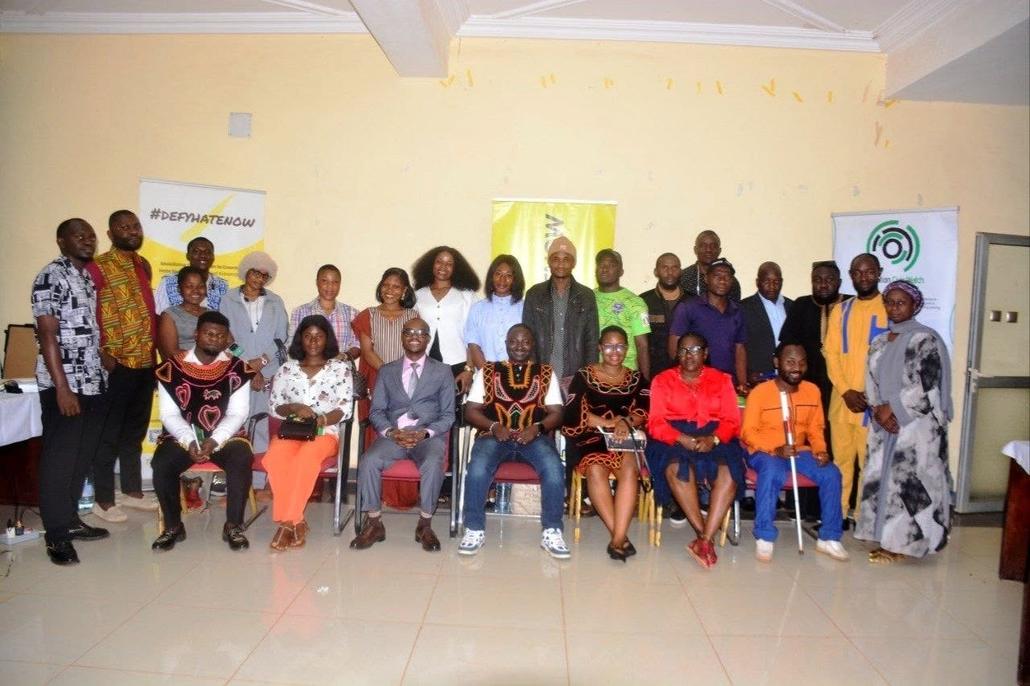
Journalists in Bamenda continue to navigate a challenging media environment marked by misinformation, hate speech, discrimination, online harassment, digital security threats, restrictions on civic space and violations of their rights. These challenges affect the ability of journalists to effectively inform citizens, promote transparency and accountability, amplify the voices of marginalized communities, encourage civic participation and facilitate informed public dialogue and decision making.
Restrictions on press freedom, legal intimidation, arbitrary arrests and detention, censorship, surveillance and limited access to public information continuously place additional pressure on independent journalism. For journalists reporting on governance, human rights, conflict and other sensitive issues, these challenges create an environment of fear and self censorship.
In response to this backdrop, Association Civic Watch, with support from the German Federal Foreign Office through the Embassy of the Federal Republic of Germany in Yaoundé, brought together over 50 journalists in Bamenda for a two day capacity building workshop under the theme: “Strengthening Civic Space: Protection of Fundamental Freedoms Through Improved Documentation and Response to Discrimination, Hate Speech and Media Repression.”
The workshop provided a platform for journalists to learn, exchange experiences and strengthen practical skills needed to navigate the increasingly complex media environment.
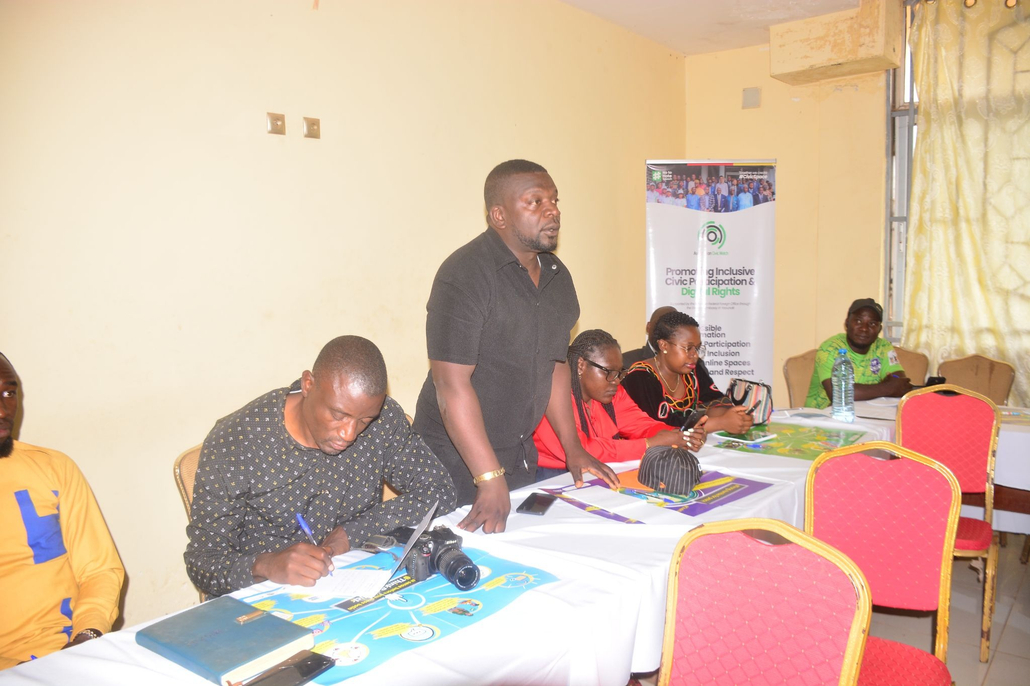
Sessions focused on documenting discrimination and human rights violations against journalists, journalism and human rights in the digital age, ethical and conflict sensitive reporting, countering hate speech and discrimination, digital safety and cybersecurity, and protecting journalists, their sources and sensitive information.
Through interactive discussions, practical exercises and experience sharing, participants explored how journalists can identify and document discriminatory practices, improve evidence based reporting on human rights violations and apply ethical and conflict sensitive reporting approaches when reporting on sensitive issues within the region.
Particular attention was given to the responsibility of journalists to report in ways that protect victims, avoid further harm and contribute to peacebuilding while safeguarding themselves and their sources.
The workshop also provided space for journalists to share lived experiences from their professional practice and discuss practical coping mechanisms for dealing with some of the risks associated with their work.
At the end of the two day engagement, participants were also expected to leave with improved knowledge on their capacity to identify, prevent and respond to hate speech, discrimination, misinformation, disinformation and online harassment using ethical, conflict sensitive and rights based reporting approaches.
The discussions further emphasized the importance of journalists working collectively and building stronger networks with civil society organizations, media organizations and other relevant stakeholders to promote media freedom and protect civic space.
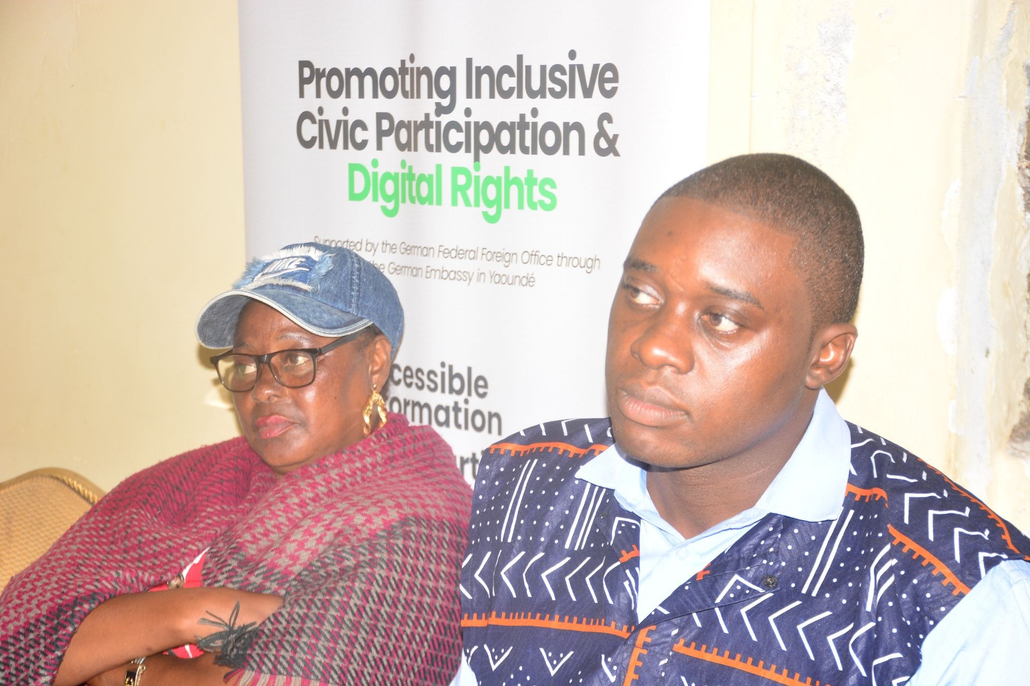
Acknowledging the difficult realities journalists face in the course of their work, seasoned journalist and facilitator Sah Terence reminded participants of their duties and responsibilities to the communities they serve.
His reflections underscored the relationship between rights and responsibility, with the reminder that “when we have rights, we have responsibilities.” He also emphasized the importance of prioritizing personal safety, reminding journalists that “no story is worth your life.”
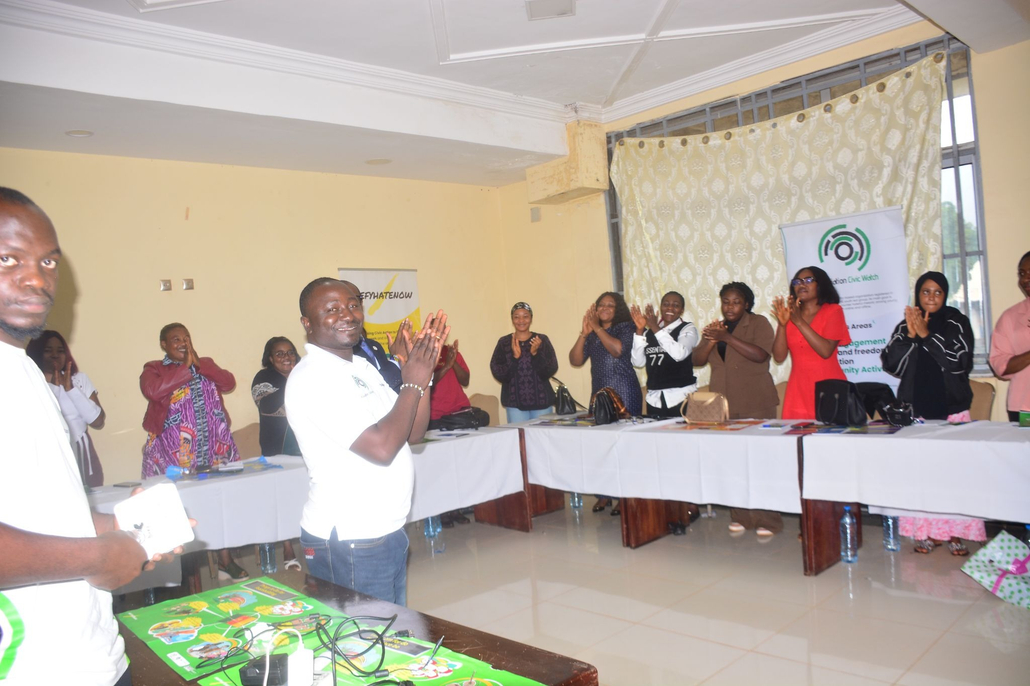
For the journalists who participated, the workshop was an opportunity to acquire new knowledge, a space to reflect on the realities of the profession in the region, share experiences and consider how they can continue contributing to informed decision making processes ,an engaged and resilient society while protecting themselves and those they report on.


Laisser un commentaire
Rejoindre la discussion?N’hésitez pas à contribuer !