

Protecting the Rights of Minorities and Persons Living with Disabilities : Association Civic Watch equips minorities and persons living with disabilities with skills to defend their rights.
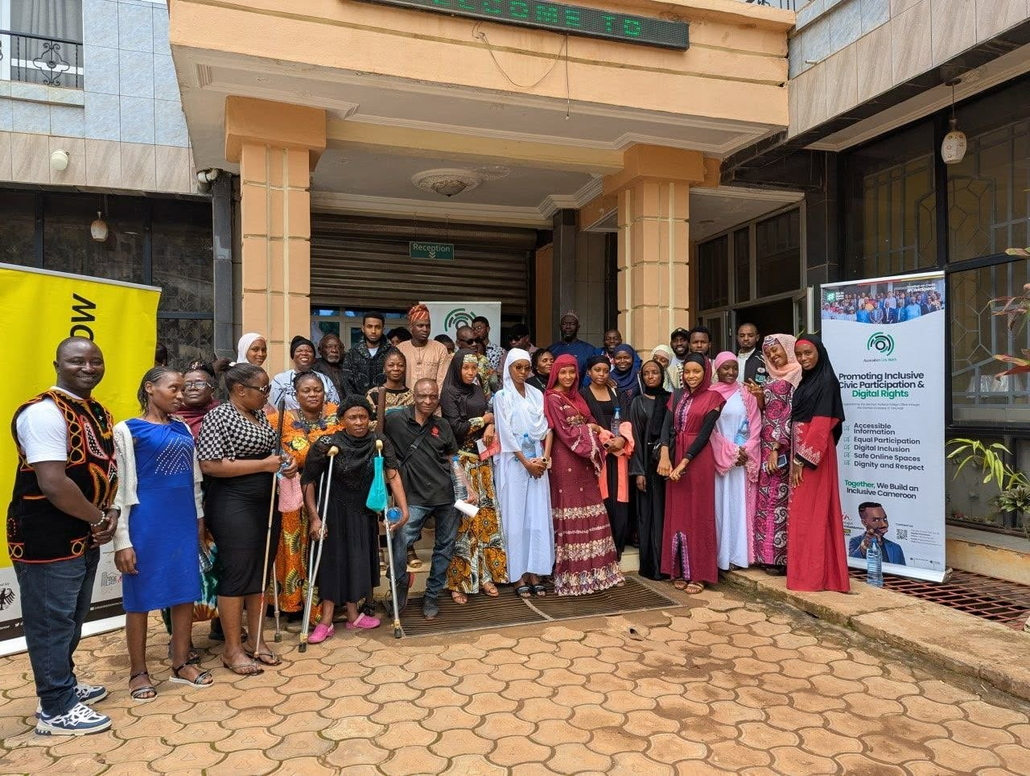
In Bamenda, persons from minority groups and persons living with disabilities continue to face challenges that undermine their fundamental rights. Targeted hate speech, incitement to violence, disinformation and misinformation continue to marginalize these groups within their respective communities, creating an environment of fear, discrimination and isolation.
The growing use of digital technologies and communication platforms has created new opportunities for information sharing, civic participation and access to services. However, for minority groups and persons living with disabilities, the digital environment remains far from inclusive. Challenges such as online harassment and cyberbullying further expose them to discrimination and abuse.
These challenges extend beyond the affected groups and have wider implications for society, weakening civic participation and limiting informed engagement in democratic processes. At the same time, many minority groups and persons living with disabilities have limited access to practical training on digital safety, cybersecurity and the documentation of rights violations. This reduces their ability to respond effectively to threats in the rapidly evolving digital environment and to fully benefit from the opportunities that technology provides.
To respond to these challenges, Association Civic Watch with support from the German Federal Foreign Office through the Ambassade d’Allemagne a Yaoundé engaged more than 50 persons from minority groups and persons living with disabilities in a two day capacity building workshop aimed at strengthening their capacity to promote and protect civic space and respond effectively to emerging online and offline threats targeting them.
The workshop sought to improve participants’ understanding of digital safety, cybersecurity and practical measures for protecting themselves and others from online and offline threats. It also aimed to promote collaboration among participants and relevant stakeholders in advancing human rights protection as well as to develop practical recommendations for safer communities for minorities and persons living with disabilities and strengthen advocacy for their rights.
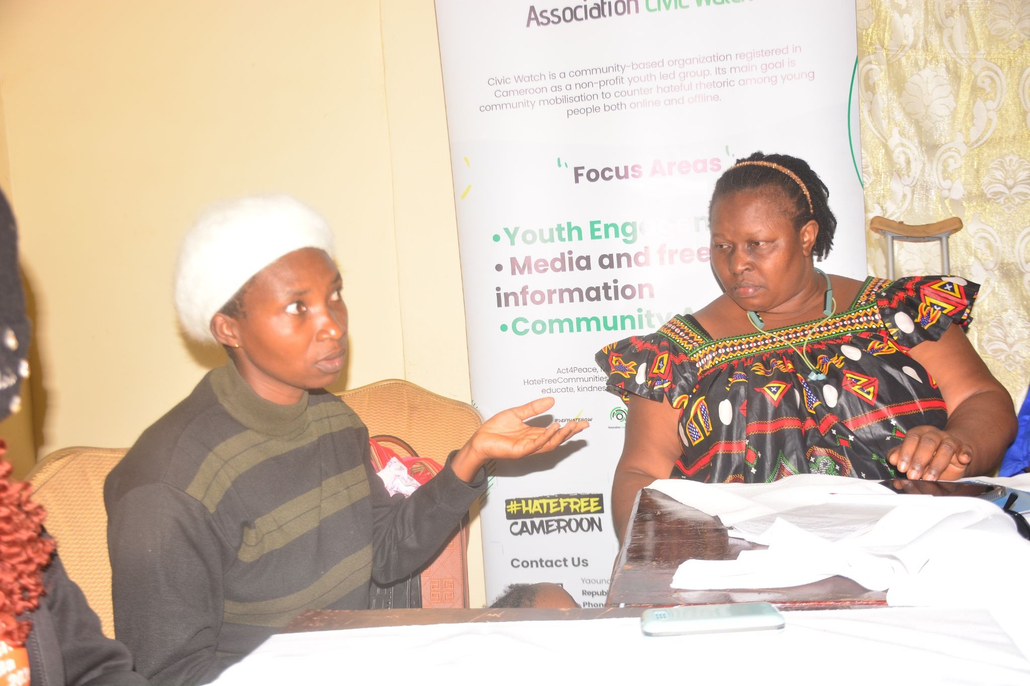
During experience sharing sessions, participants spoke about the difficulties they face in documenting and reporting violations including violations experienced within healthcare facilities.
One participant recounted an experience at a hospital where she had gone to seek treatment for itches. According to her, after a doctor recommended that she undergo tests for sexually transmitted diseases, the woman attending to her told her: “You know you do not see and you are following men around. All those men you are following will only infect you and abandon you. Must you have sex?”
Her experience is not an isolated incident, as other participants shared similar experiences of stigma and discrimination.
Another participant recounted an experience involving his wife during childbirth. According to him, a nurse asked who was responsible for the woman and, after he identified himself as her husband, the nurse questioned whether he was capable of sponsoring the delivery.
He said the nurse went further to tell him: “These types of people should be advised to do family planning.” He described the experience as a form of severe stigma.
Facilitator Dr Kinang Derick explained the importance of the training, noting that some rights violations occur without victims immediately recognizing that their rights have been violated.
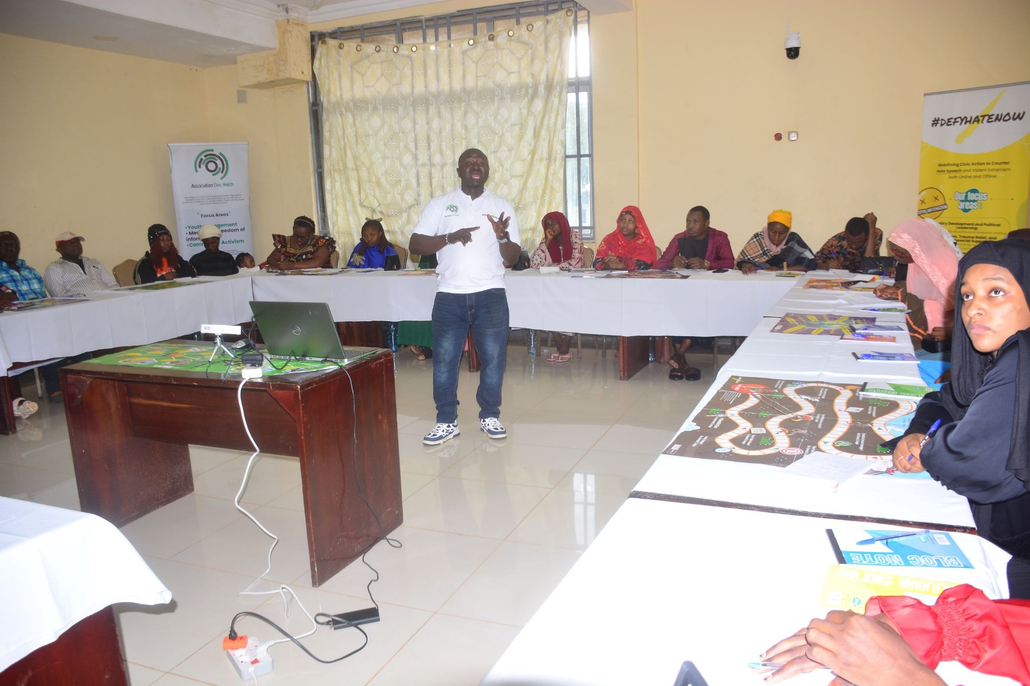
“Their rights are at times violated without them knowing. We believe that until they know these rights, they will not be able to identify when they are violated. We noticed in our discussions that even in situations where they know their rights are being violated, there are some obstacles that make it difficult for them to report these violations because they are afraid of further reprisals from the violators,” he said.
According to Dr Kinang, the discussions were therefore designed to help participants understand the rights they are entitled to and equip them with possible techniques for documenting violations.
Speaking about violations faced by persons living with disabilities and members of minority groups in hospitals, Dr Kinang stressed the need for healthcare facilities to provide safe and respectful spaces for all patients.
“Hospitals should be safe spaces and people go there because they are in distress. Hence, those who are violating the rights of persons living with disabilities and minority groups should be punished severely” he said.
He further called for increased training and sensitization within health facilities in the region to help healthcare workers better understand the specific needs and vulnerabilities of persons living with disabilities and minority groups.
“Training and sensitization needs to take place within health facilities in the region to highlight how important and delicate their job is, especially when it comes to persons living with disabilities and how imperative it is for them to be treated with care” he said.
The workshop ultimately sought to ensure that participants are better equipped to recognize violations, document them safely, seek appropriate redress and advocate for their rights while strengthening collaboration among affected communities and relevant stakeholders.
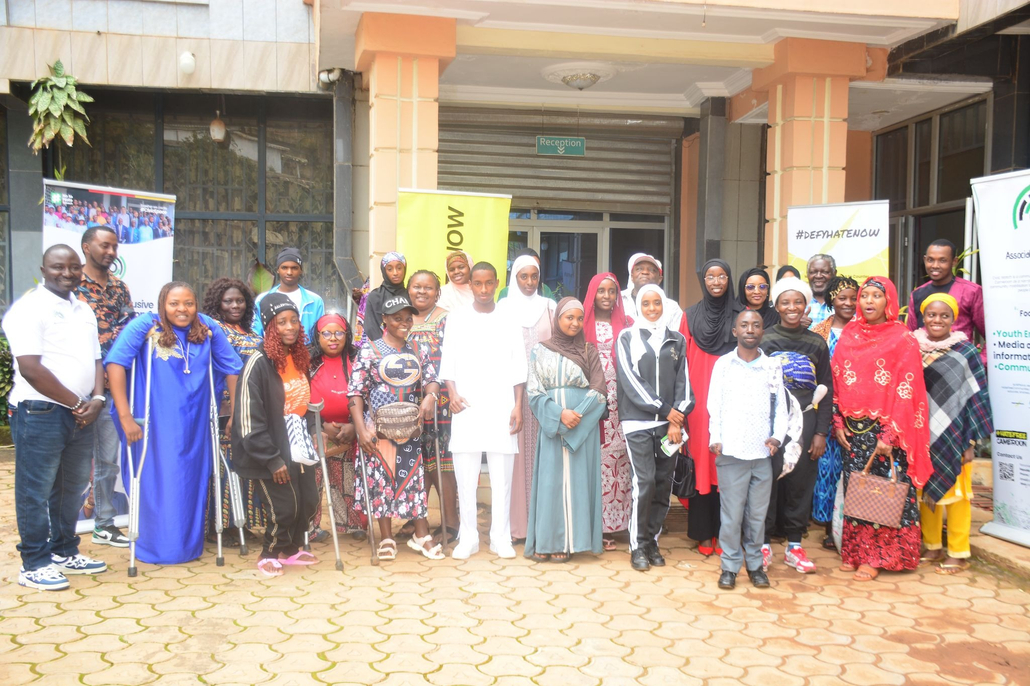
For participants, the discussions provided an opportunity not only to learn about their rights but also to share experiences that highlight the everyday realities of discrimination and stigma faced by minorities and persons living with disabilities in Bamenda.

Laisser un commentaire
Rejoindre la discussion?N’hésitez pas à contribuer !