
At Multi-Stakeholder Dialogue Forum; Civic Watch Lead Calls for End to Bystanding on Issues of Hate Speech and Xenophobia.
By Tantan Patience, Civic Watch Volunteer
Bamenda, Cameroon – September 4, 2025
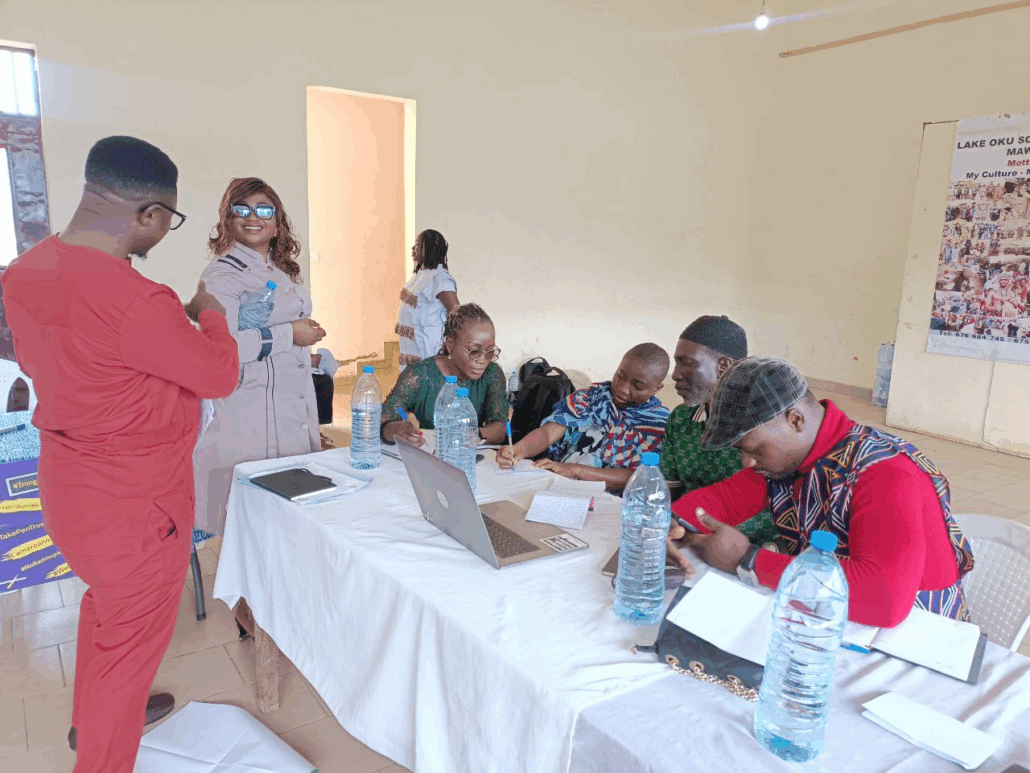
A multi-stakeholder dialogue forum was convened in Bamenda North West Region, on September 4, 2025, to promote a peaceful, inclusive, and hate-free elections ahead of the October 2025 polls. Held under the theme “Promoting Peaceful, Inclusive and Hate-Free Elections in the North West Region of Cameroon,” the forum brought together diverse voices committed to fostering democratic values and social cohesion in the region.
Organized by Civic Watch as members of the National Bilingualism Coalition, the one-day dialogue session brought together leaders of political parties, youth organizations, civil society actors, and media associations to deliberate on ways of encouraging peace, inclusion, and a hate-free electoral process. Discussions also focused on denouncing hate speech, xenophobia, and violence during and after campaigns, promoting ethical journalism, and strengthening community resilience against hate speech, misinformation, and divisive narratives.
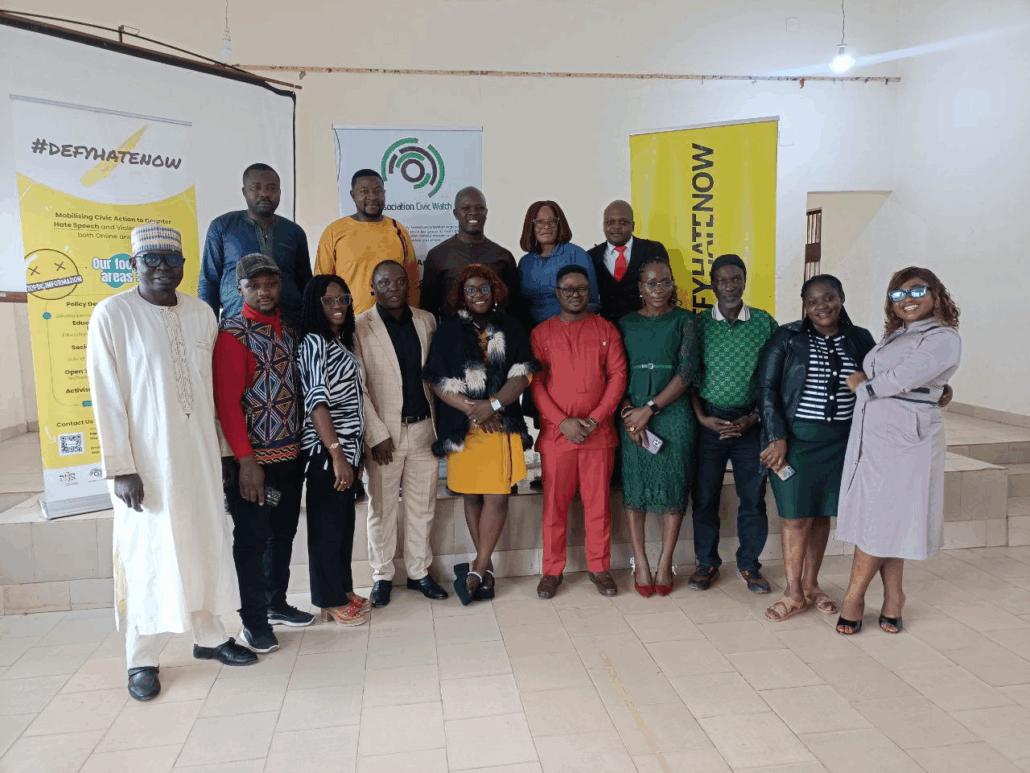
The forum highlighted what stakeholders have been doing, what they can still do, and the ethical responsibilities they carry during the elections.
In his address, Civic Watch Lead Dr. Ngala Desmond Ngala stressed that political parties can conduct elections without violent exchanges and inflammatory rhetoric. He urged them to engage in inclusive civic education and build effective communication and language skills while considering their responsibility to citizens and the wider community.
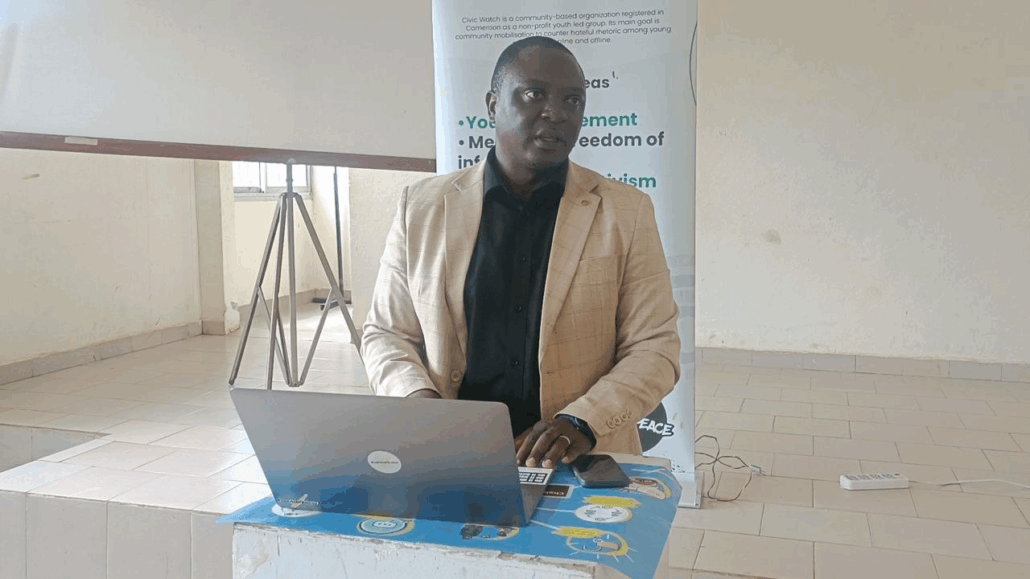
Turning to the media, Dr. Ngala reminded journalism association representatives that as agenda setters, they should not only depend on what politicians say but must also play a role in managing conflicting situations during on-air programs and coverage. He warned that what is published can either increase or reduce hate speech and xenophobic exchanges among supporters. Despite challenges such as limited access to sources, conflicts of interest, sensationalism, and political affiliations, journalists were urged to verify information before dissemination.
Youth and civil society organizations were also called upon to go beyond encouraging voter registration and to inspire active participation, helping citizens distinguish between positive and harmful practices.
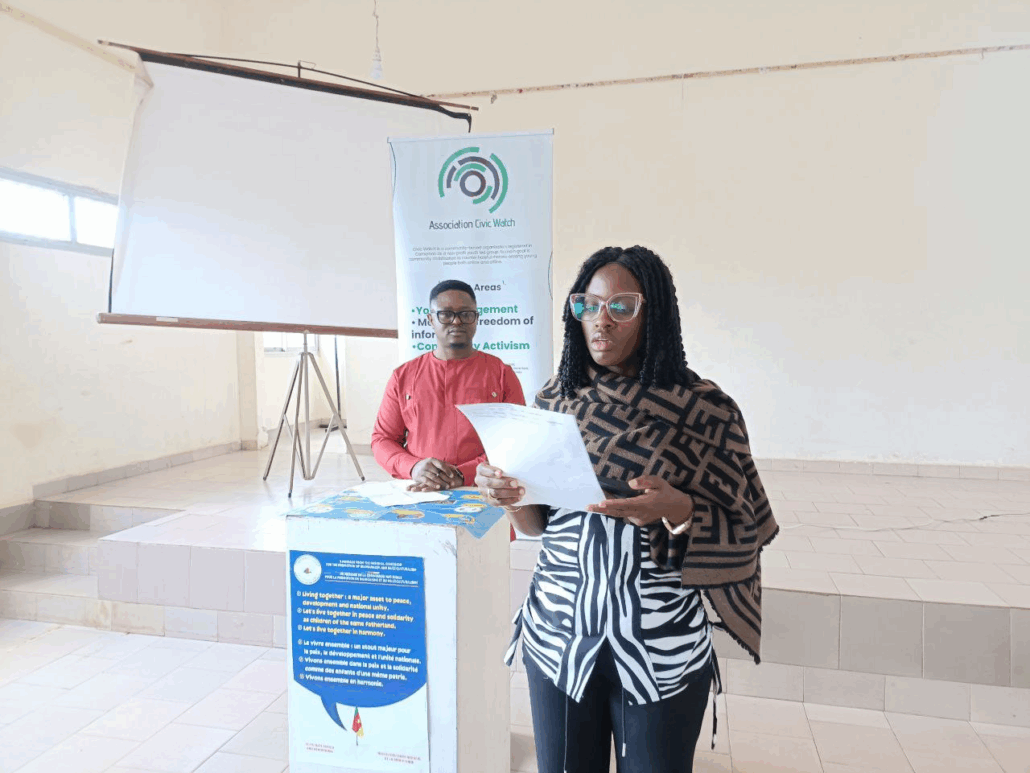
Facilitating the session, Dr. Sakah Bernard noted that hate speech undermines community resilience by inciting violence, weakening democracy, fostering political apathy, deepening divisions, and intimidating advocates of diversity.
Grassroots approaches suggested by participants included interpersonal dialogues, youth peace advocacy clubs in schools and communities, and amplifying social media fact-checking.
Group discussions on community collaboration with political parties and the media produced recommendations such as organizing public hearings between political leaders and communities, building partnerships between local/regional media and politicians to promote fact-checking, and raising awareness on the dangers of citizen journalism.
At the close of the session, each stakeholder group called on its counterparts to remain focused on goals and purpose, form strong coalitions,form strong coalitions and strengthen connectors than feed dividers, and improve communication skills to foster unity before and after campaigns.


Laisser un commentaire
Rejoindre la discussion?N’hésitez pas à contribuer !